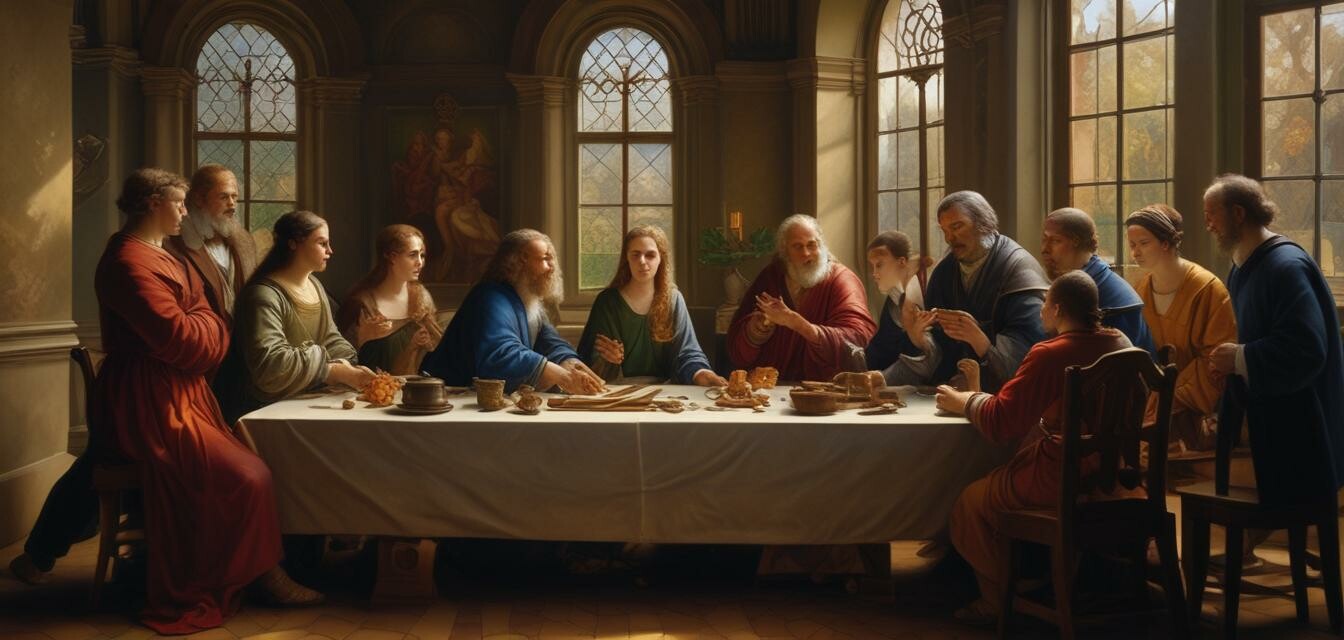
Leonardo da Vinci: Artistic Innovations of the Renaissance
Key Takeaways
- Leonardo da Vinci was a pioneer of techniques like sfumato and chiaroscuro.
- His approach to realism in art set new standards for future generations.
- Da Vinci's scientific studies greatly influenced his artistic creations.
- Modern artists continue to draw inspiration from his innovative methods.
Leonardo da Vinci, one of the most revered figures of the Renaissance, is celebrated today for his multi-faceted genius. Though he was a painter, his contributions extend far beyond the canvas. This article explores how da Vinci's innovations in art are not only a defining characteristic of the Renaissance era but also serve as a lasting influence on contemporary practices. Join us as we delve into the key techniques and concepts that define Leonardo's artistic endeavors.
Leonardo da Vinci's Artistic Techniques
Leonardo da Vinci revolutionized the field of art with several groundbreaking techniques:
| Technique | Description |
|---|---|
| Sfumato | A method of blending colors and tones so subtly that transitions are smooth, creating a hazy effect. |
| Chiaroscuro | Employing strong contrasts between light and dark to give a sense of volume and depth to figures. |
| Foreshortening | A technique that depicts an object or human body in a picture in depth. |
| Realism | A focus on realistic portrayal of human figures and natural settings, emphasizing details. |
Influence on Contemporary Art
Modern artists draw inspiration from da Vinci's techniques. For example, the use of chiaroscuro is evident in the works of artists like Cézanne and Picasso. These techniques help convey emotion and depth in contemporary art just as they did in da Vinci's masterpieces.
Leonardo's Scientific Approach
Leonardo's interest in science and anatomy played a crucial role in his artistic innovations. His countless sketches and studies of the human body allowed him to create incredible realism in his works. Here are some insights into how his scientific model of learning shaped his art:
- Observation: Da Vinci meticulously studied how bodies moved and interacted with their environment.
- Dissection: He performed dissections on human and animal bodies to understand the anatomy thoroughly.
- Measurements: Applying mathematical proportions, especially the Golden Ratio, to create harmony in his compositions.
Key Masterpieces
Some of Leonardo's most important works that display his artistic innovations include:
- Mona Lisa - Renowned for its enigmatic expression and use of sfumato.
- The Last Supper - A masterclass in narrative composition and perspective.
- Vitruvian Man - A blend of art and science, showcasing human anatomy's proportions.
Artistic Innovations Today
Artists today continue to explore and innovate much like da Vinci did. With technology influencing art, artists can now reproduce techniques like never before. For instance, the Niwo ART Salvator Mundi reproduction demonstrates the blend between traditional methods and modern technology:
 Timeless Reproduction
Niwo ART Salvator Mundi
This stunning oil painting reproduction by Leonardo Da Vinci captures the magic of classical art through modern giclee technology, ready to hang in your home.
Explore NowPros
- High-quality reproduction of a classical masterpiece.
- Ready to hang, making it convenient for buyers.
- Utilizes advanced giclee printing technology for vivid coloration.
Cons
- Not an original painting; a reproduction may not appeal to collectors.
- Colors may vary slightly from what is seen on screens.
The Legacy of da Vinci's Innovations
Leonardo da Vinci's innovations set benchmarks for artistic excellence and continue to inspire both emerging and established artists. Understanding his techniques and studying his works help us appreciate Renaissance art more profoundly, allowing us to draw parallels to modern art forms.
Final Thoughts
As we conclude our exploration of Leonardo da Vinci's artistic innovations, it becomes apparent that his legacy is woven deeply into the fabric of art today. The ability to merge science with artistry has not only shaped the past but continues to guide the future of creative expression.
Stay Informed
For the latest updates in the world of art, be sure to check our News and Trends section.