Caravaggio: The Master of Dramatic Realism
Key Takeaways
- Caravaggio is known for his unique style that combines intense realism with dramatic lighting.
- His use of chiaroscuro influenced countless artists and movements post his era.
- Key works include "The Calling of Saint Matthew" and "Judith Beheading Holofernes".
- Caravaggio's life was as tumultuous as his art, often resulting in legal troubles and controversies.
- He is frequently seen as a precursor to Baroque art.
Caravaggio, born Michelangelo Merisi in 1571, is acclaimed for his remarkable ability to convey intense emotion through art. Known for his detailed naturalism and dramatic use of light and shadow, Caravaggio's legacy continues to captivate art enthusiasts and scholars alike. In this article, we explore the life, works, and legacy of this extraordinary artist.
Early Life and Influences
Caravaggio's early life in Milan exposed him to various artistic styles, but it was his move to Rome that transformed his artistic journey.
| Year | Event |
|---|---|
| 1571 | Born in Milan, Italy |
| 1593 | Moved to Rome to pursue a career in painting |
| 1595 | First major work, "The Calling of Saint Matthew", completed |
| 1601 | Created "Judith Beheading Holofernes" |
Artistic Style
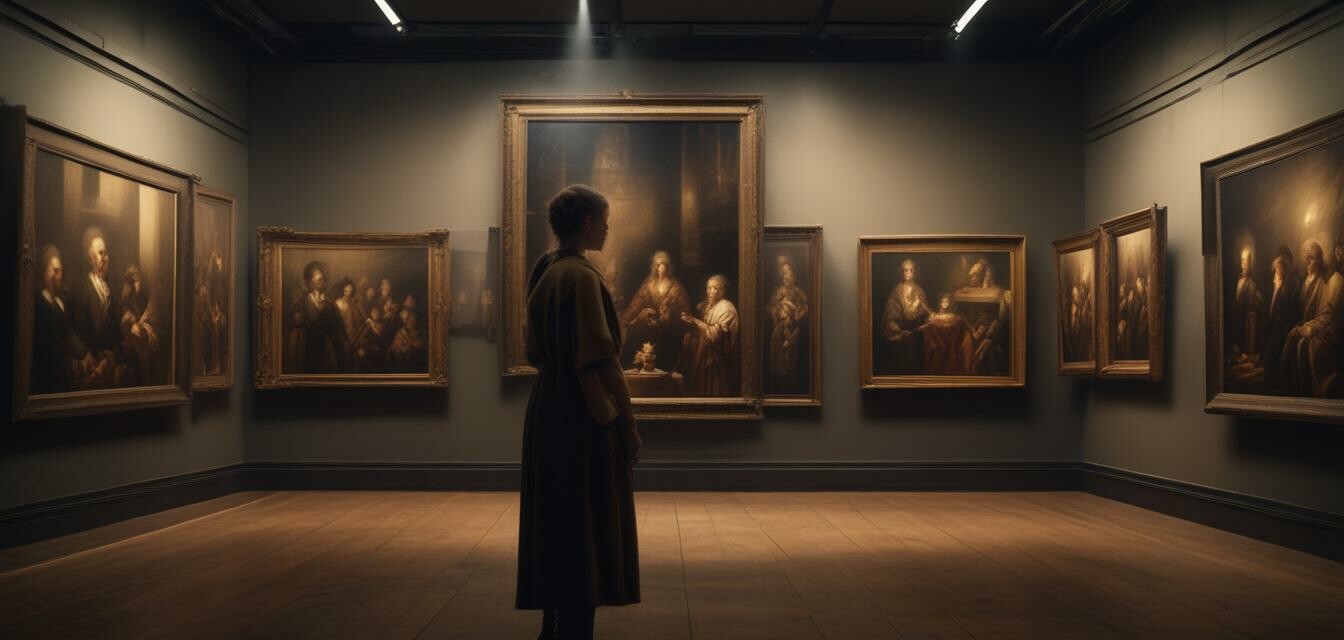
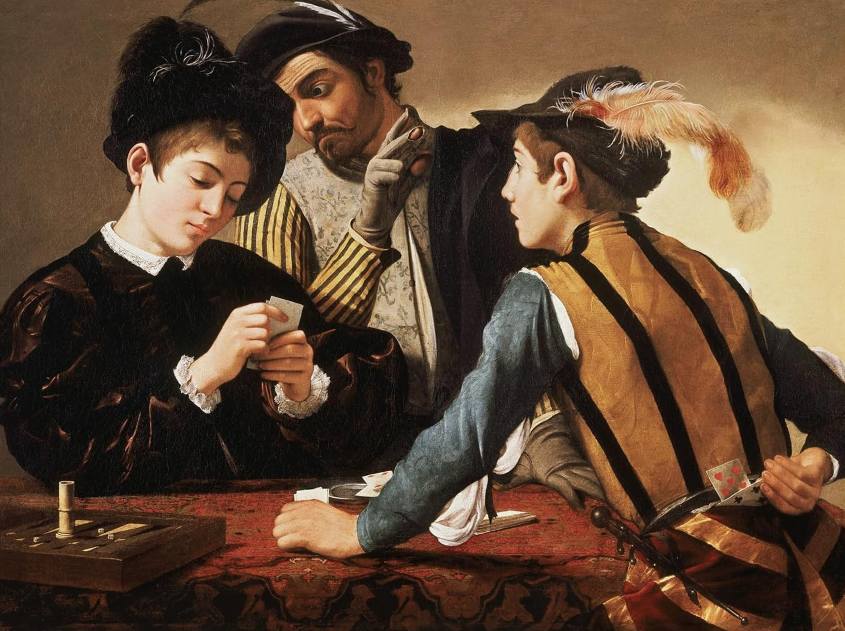
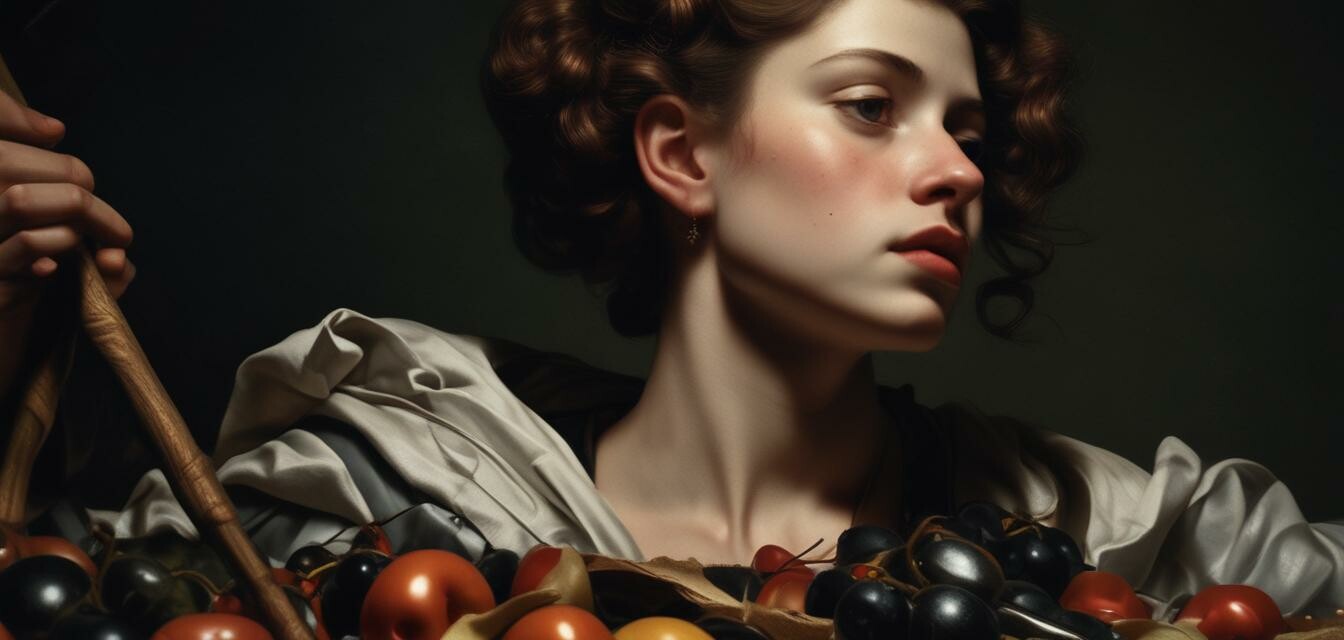
Caravaggio's style is characterized by the technique of chiaroscuro, which uses bold contrasts between light and dark to create a sense of volume and depth.
Chiaroscuro and Color
His paintings often depict tense moments and emotional intensity, utilizing a limited yet powerful color palette. The emphasis on realism made his subjects relatable and vibrant.
Notable Works
Here are some of Caravaggio's most significant and influential works:
| Artwork | Year | Significance |
|---|---|---|
| The Calling of Saint Matthew | 1599-1600 | Regarded as a masterpiece, highlighting divine inspiration and light. |
| Judith Beheading Holofernes | 1598-1599 | Powerful depiction of strength and violence by depicting a biblical story. |
| The Supper at Emmaus | 1601 | Illustrates a moment of revelation and recognition of Jesus. |
| Amor Vincit Omnia | 1602 | Symbolizes the triumph of love over all. |
Influence on the Art World
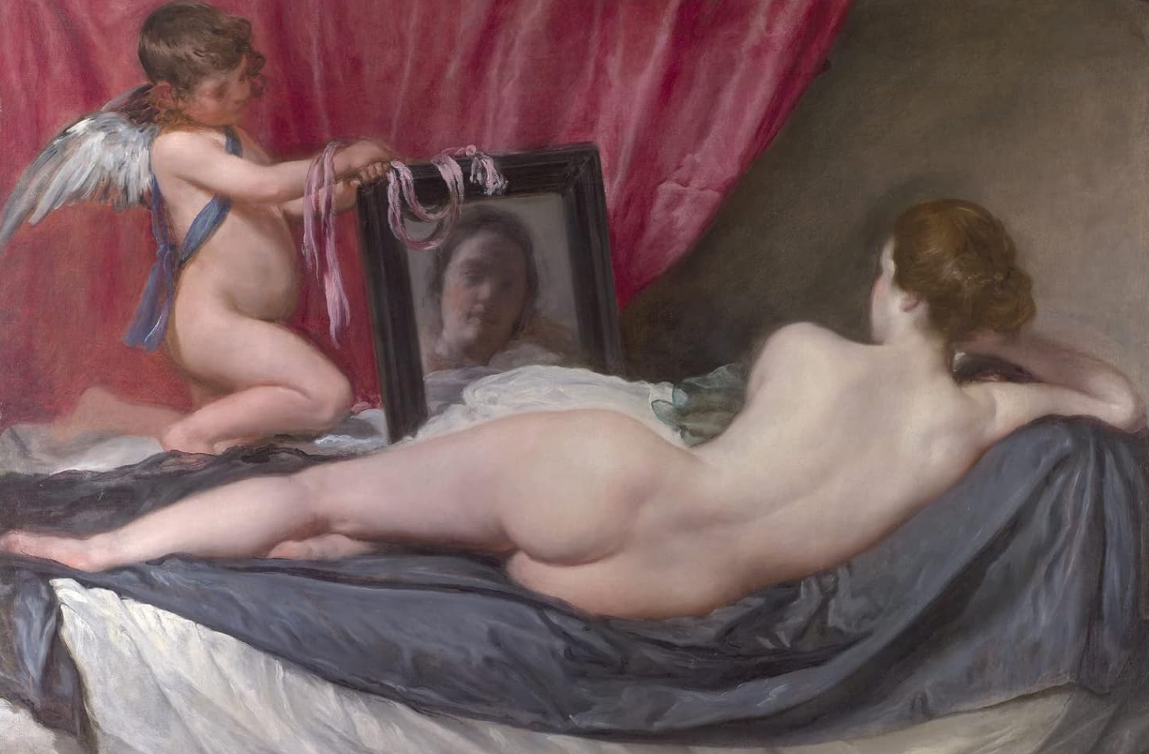
Caravaggio's influence transcended his lifetime, paving the way for the Baroque movement and inspiring countless artists, including Rembrandt and Velázquez. His style can be recognized in numerous paintings across generations.
Impact on Future Artists
His realistic approach, use of ordinary people as models, and dramatic lighting redefined the standards of painting. Let's take a look at how some artists adopted his techniques:
- Rembrandt van Rijn
- Diego Velázquez
- Eugène Delacroix
- Francisco Goya
Controversies and Challenges
Caravaggio's life was riddled with controversy—from brawls to legal issues, his tumultuous behavior often overshadowed his artistic genius. His arrest in 1603 for assault remains one of the more infamous events in his life.
Legacy of a Troubled Genius
Despite the challenges he faced, Caravaggio's work continued to evolve, influencing generations and cementing his place in art history. Some believe that his struggles fueled the emotional depth of his work.

Conclusion
Caravaggio remains a pivotal figure in the history of art, his technique, style, and bold themes making him an enduring source of inspiration. His legacy speaks not only through his breathtaking works but also through the lives of artists he continues to influence today.
Pros
- Exceptional use of light and shadow
- Emotional and relatable subjects
- Strong influence on future artists and art movements
- Mastery of realism
Cons
- Controversial personal life
- His style may not appeal to all art lovers
- Legal troubles overshadowing his artistic contributions
Explore More
To further understand the world of Caravaggio, check out more about: