Michelangelo: The Renaissance Master
Michelangelo Buonarroti, a true Renaissance man, left an indelible mark on the world of art, architecture, and literature. This article delves into the masterpieces and artistic techniques of Michelangelo, exploring his life, inspirations, and contributions to the art world.
Key Takeaways:
- Michelangelo's artistic style was characterized by non-finito, a technique that left parts of the sculpture unfinished.
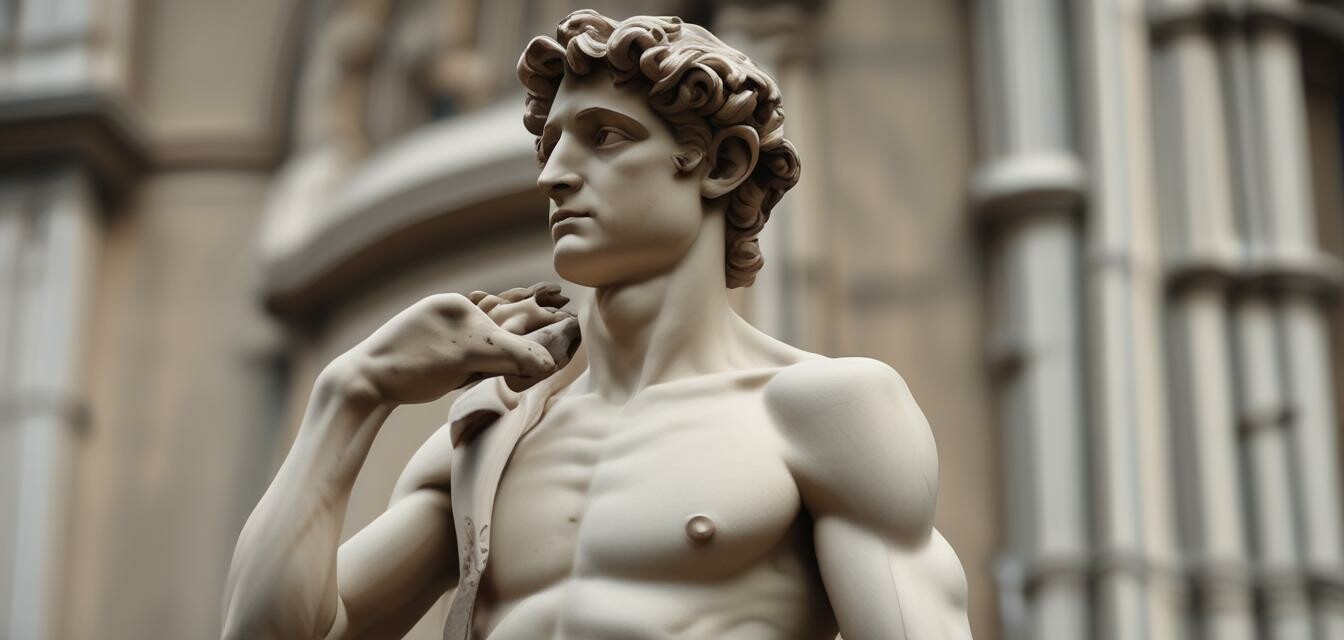
- He was a master of anatomy, which is evident in his iconic works like David and the Pietà.
- Michelangelo's artistic influences included ancient Greek and Roman art, as well as Christianity.
Early Life and Inspirations
Born on March 6, 1475, in Caprese, Italy, Michelangelo was raised in a family of modest means. His early life was marked by a passion for art, which was encouraged by his family. He was apprenticed to the artist Domenico Ghirlandaio at the age of 13, where he honed his skills in fresco painting and sculpture.

Artistic Techniques and Style
Michelangelo's artistic style was characterized by non-finito, a technique that left parts of the sculpture unfinished. This technique added a sense of drama and tension to his works. He was also a master of anatomy, which is evident in his iconic works like David and the Pietà.
| Technique | Description |
|---|---|
| Non-finito | Leaves parts of the sculpture unfinished, adding drama and tension to the work. |
| Anatomy | Accurate depiction of the human body, showcasing Michelangelo's deep understanding of anatomy. |
Masterpieces and Contributions
Michelangelo's masterpieces include the ceiling of the Sistine Chapel, David, and the Pietà. His contributions to the art world are immense, and he is widely regarded as one of the greatest artists of all time.
- The Pietà: A sculpture depicting the Virgin Mary holding the body of Jesus Christ.
- David: A towering marble sculpture of the biblical hero David.
- The Sistine Chapel Ceiling: A fresco masterpiece that took four years to complete, featuring nine scenes from the Book of Genesis.
Influences and Legacy
Michelangelo's artistic influences included ancient Greek and Roman art, as well as Christianity. His works have inspired countless artists, architects, and writers throughout history.

Conclusion
Michelangelo's artistic genius, technical skill, and innovative techniques have left an indelible mark on the art world. His masterpieces continue to inspire and awe people around the world, cementing his place as one of the greatest artists of all time.

Pros of Michelangelo's Art
- Technical skill and attention to detail
- Innovative techniques and use of non-finito
- Emotional depth and expression in his works
Cons of Michelangelo's Art
- Limited color palette in some of his works
- Some critics argue that his style is too dramatic or over-the-top
Beginners' Guide to Understanding Michelangelo's Art
- Start by studying his most famous works, such as David and the Pietà.
- Look for examples of non-finito and anatomy in his sculptures.
- Explore the historical and cultural context in which Michelangelo lived and worked.