Interactive Exhibits Featuring Seurat's Pointillism
Key Takeaways
- Interactive exhibits are redefining art appreciation.
- George Pierre Seurat's pointillism is being brought to life through technology.
- These exhibits offer engaging ways to learn about art history.
- Virtual tours and workshops enhance the visitor experience.
Art is more than just a visual experience; it's a journey into the creative mind of the artist. With the rise of technology, interactive exhibits are revolutionizing how we experience art, particularly the genius of George Pierre Seurat and his unique pointillist techniques. This article explores the latest trends in interactive exhibits that highlight Seurat's contributions to the art world.
The Magic of Pointillism
Pointillism, a technique developed by Seurat in the late 19th century, involves the use of small, distinct dots of color applied in a pattern to form an image. Unlike traditional painting methods, pointillism invites viewers to explore the composition from various distances, transforming their perception of the artwork. Here’s a brief overview of Seurat’s influential works:
| Artwork | Year | Noteworthy Features |
|---|---|---|
| A Sunday on La Grande Jatte | 1884 | Use of juxtaposed colors, large scale |
| Bathers at Asnières | 1884 | Natural outdoor setting, social commentary |
| Le Cirque | 1891 | Vibrant colors, dynamic movement |
Trends in Interactive Exhibits
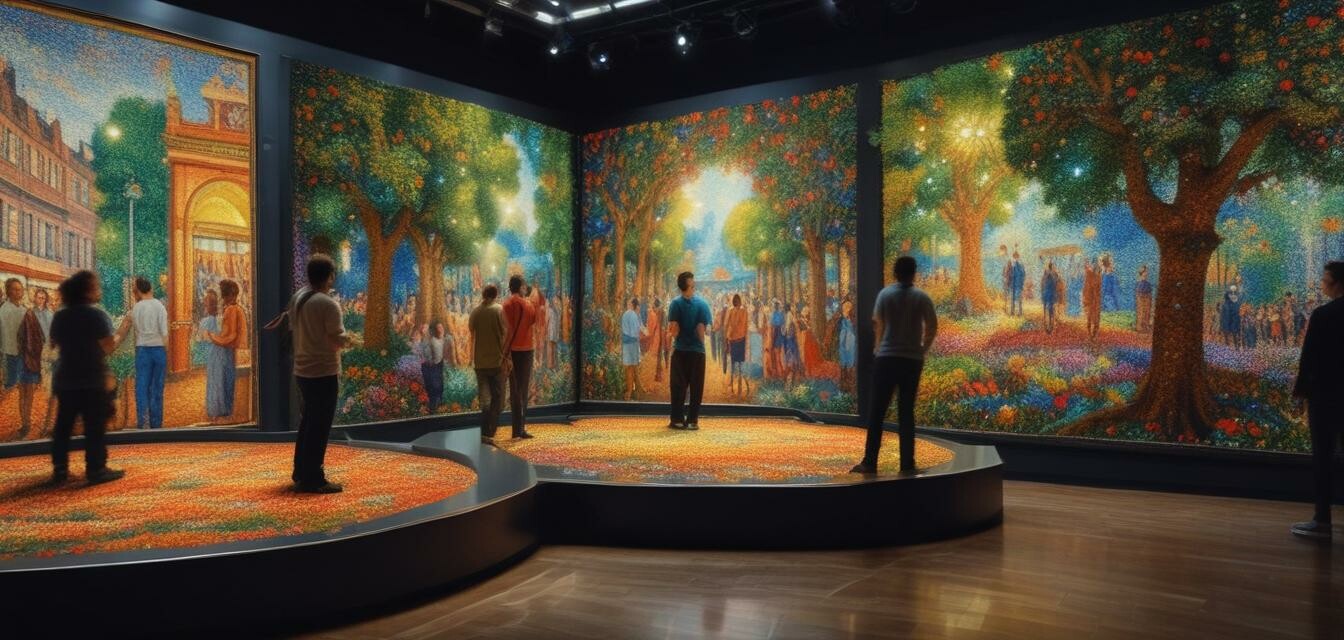
The latest interactive exhibits not only exhibit Seurat's masterpieces but also immerse visitors in a multi-sensory experience. Here are some of the key trends in interactive exhibits:
- Augmented Reality (AR): Visitors can use their smartphones or AR glasses to see layers of the artwork unfold, experiencing the technique up close.
- Digital Interactive Screens: These allow guests to create their own pointillist artwork, fostering creativity while learning about the technique.
- Multi-dimensional Projections: Now, major art locations can project Seurat’s artworks onto walls, breathing life into his static compositions.
- Virtual Reality (VR) Experiences: Some exhibits include immersive VR journeys where participants can enter the world of Seurat’s paintings and interact with virtual points of color.
- Workshops and Tours: Many institutions offer hands-on workshops teaching the principles of pointillism, allowing attendees to mimic Seurat's method.
Reaching Broader Audiences
These innovative approaches not only celebrate Seurat's artistry but also aim to educate and engage audiences of all ages. Museums and galleries are increasingly recognizing the necessity of adapting to contemporary audiences. Innovative methods can optimize visitor engagement and create lasting memories.
Notable Exhibits Featuring Pointillism
There are numerous exhibits around the globe that have centered around Seurat's work. Here’s a list of notable places where you can experience these interactive engagements:
- Art Institute of Chicago - Hosts rotating exhibitions centered on impressionism and pointillism.
- Museum of Modern Art (MoMA) - Offers interactive displays highlighting the impact of pointillism on modern art.
- Van Gogh Museum, Amsterdam - Features an augmented reality experience exploring the correlations between Van Gogh and Seurat.
- The Getty Center, Los Angeles - Provides workshops on pointillism in children’s programming.
- National Gallery of Art - Showcases pointillist pieces in their modern art section.
Conclusion
Interactive exhibits serve not only to celebrate the contributions of George Pierre Seurat but also to educate new generations about his revolutionary pointillist techniques. By merging art with technology, we not only keep the legacy alive but also inspire appreciation for the nuances of each piece. As the art world continues to innovate, we can expect even more dazzling representations of classic works that captivate and engage audiences in novel ways.
Tips for Visiting Interactive Exhibits
- Plan your visit during quieter times to fully immerse yourself.
- Engage with the staff and ask about special features in the exhibit.
- Take your time transitioning between displays to absorb each experience.
- Keep an eye out for special workshops and events!
- Document your visit with photographs that capture your favorite parts.
Pros
- Enhances understanding through active participation.
- Makes art more accessible to younger audiences.
- Encourages creativity and individual expression.
- Bridges the gap between history and modern technology.
Cons
- Can be overwhelming for some visitors due to sensory overload.
- Touch screens and technology can sometimes malfunction.
- May not appeal to traditionalists who prefer classic exhibits.