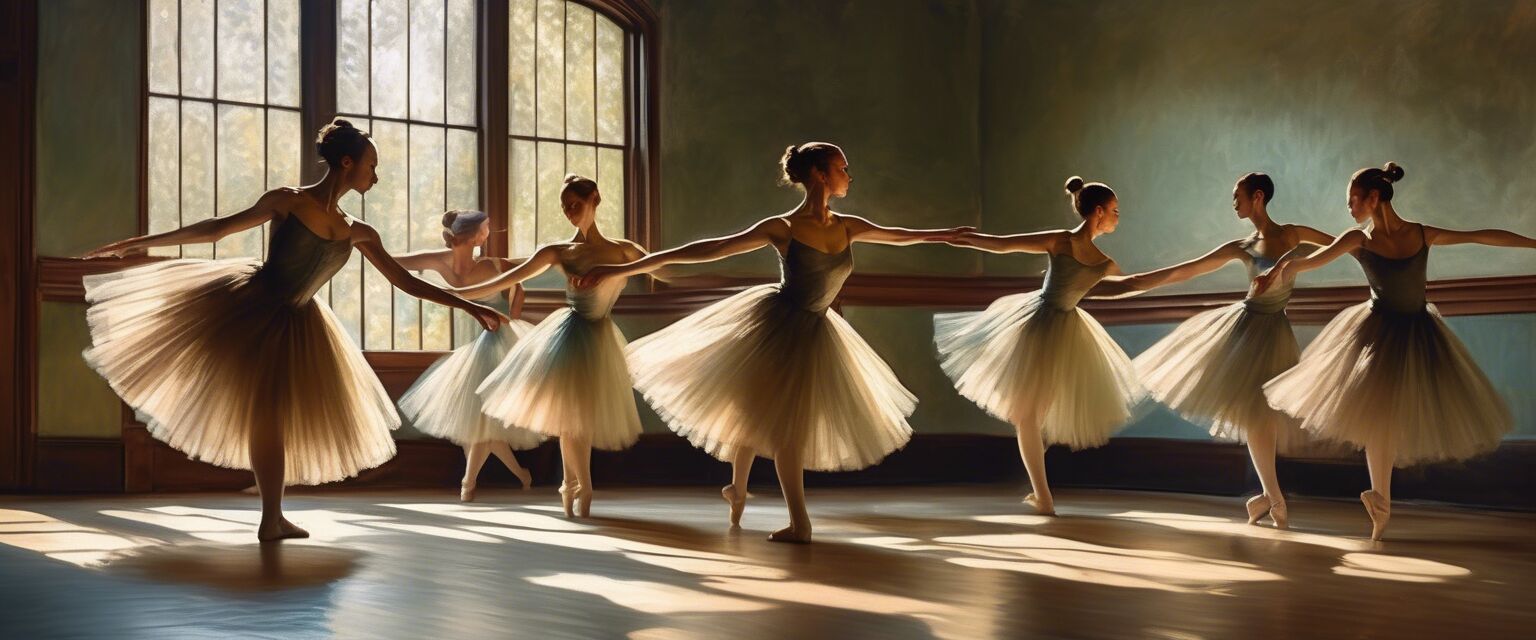
The Impact of Degas on Modern Dance Photography
Key Takeaways
- Edgar Degas was a pioneer in capturing dance and movement on canvas.
- His unique perspectives and composition have influenced modern dance photography styles.
- Understanding Degas' technique enhances appreciation of contemporary dance images.
- Degas' works remain a source of inspiration for dancers and photographers alike.
- Modern interpretations often reflect the elegance and fluidity found in Degas' paintings.
The world of dance photography has been significantly influenced by the masterpieces of Edgar Degas. His artistic focus on dancers and their graceful movements has not only captured the essence of ballet during his time but has also inspired generations of photographers who seek to interpret and document dance in the modern era. This article explores how Degas' work has shaped contemporary dance photography, reflecting grace, movement, and the fleeting moments of performance.
Degas' Legacy in Dance Art
Edgar Degas (1834-1917) was known for his poignant and intimate portrayals of ballet dancers. His use of color, light, and composition created dynamic images that captured the very essence of movement and emotion. Through his innovative approach, Degas set a new standard for how dance could be interpreted through art.
Key Techniques Used by Degas
- Unconventional Angles: Degas frequently painted from odd perspectives, creating a sense of intimacy.
- Naturalistic Movement: His ability to depict the fluidity of dancers set a groundwork for capturing movement.
- Use of Color: His color palette portrayed the vibrancy of dance and the emotions involved.
Modern Dance Photography Inspired by Degas
Drawing on Degas' techniques, modern photographers have sought new ways to encapsulate the beauty of dance while bridging the gap between classical art and contemporary interpretation.
Elements of Influence
| Degas' Technique | Modern Interpretation |
|---|---|
| Dynamic Composition | Photographers framing dancers in active poses, emphasizing motion. |
| Natural Lighting | Utilizing available light to create soft, expressive images of dance. |
| Emphasis on Details | Capturing the subtleties of movement and attire in modern performances. |
Product Highlight: The Dance Class by Edgar Degas
 Timeless reproduction
A&T ARTWORK The Dance Class by Edgar Degas
This masterpiece recreation captures the elegance of Degas' ballet scenes. Printed on high-quality canvas, it's ideal for those looking to enhance their art collection.
Learn MoreBlending Art Techniques with Photography
To successfully merge Degas' aesthetic with modern photography, one must consider the elements that define both mediums. Photographers today often adapt classical techniques to emphasize movement, frame composition, and the emotional storytelling found in dance.
Tips for Modern Dance Photographers
Beginner Tips
- Study classic artworks for inspiration—Degas can provide a fruitful source.
- Experiment with different angles to find unique compositions in movement.
- Focus on the emotions captured during performances to convey a story.
Artistic Movements in Dance Photography
As we analyze the impact of Degas' work on modern dance photography, it is essential to recognize the emerging trends as well. Photography continues to evolve, influencing and being influenced by various artistic movements.
Recent Trends
| Trend | Description | Influence of Degas |
|---|---|---|
| Dynamic Posing | Photographers capturing dancers in mid-motion. | Resonates with Degas' focus on movement. |
| Emotional Storytelling | Photography as a narrative medium in performance arts. | Inspired by Degas’ emotive canvas works. |
| Light and Shadow Play | Exploration of light effects to convey mood. | Reflects Degas’ mastery of light in art. |
Conclusion
Edgar Degas remains a key figure in the narrative of dance, continuing to influence how photographers capture movement and emotion. His legacy inspires both dancers and artists as they strive to portray the beauty and complexity of the art of dance. By reflecting on his techniques, modern dance photography becomes an evolving dialogue, consistently engaging with the past while innovating for the future.