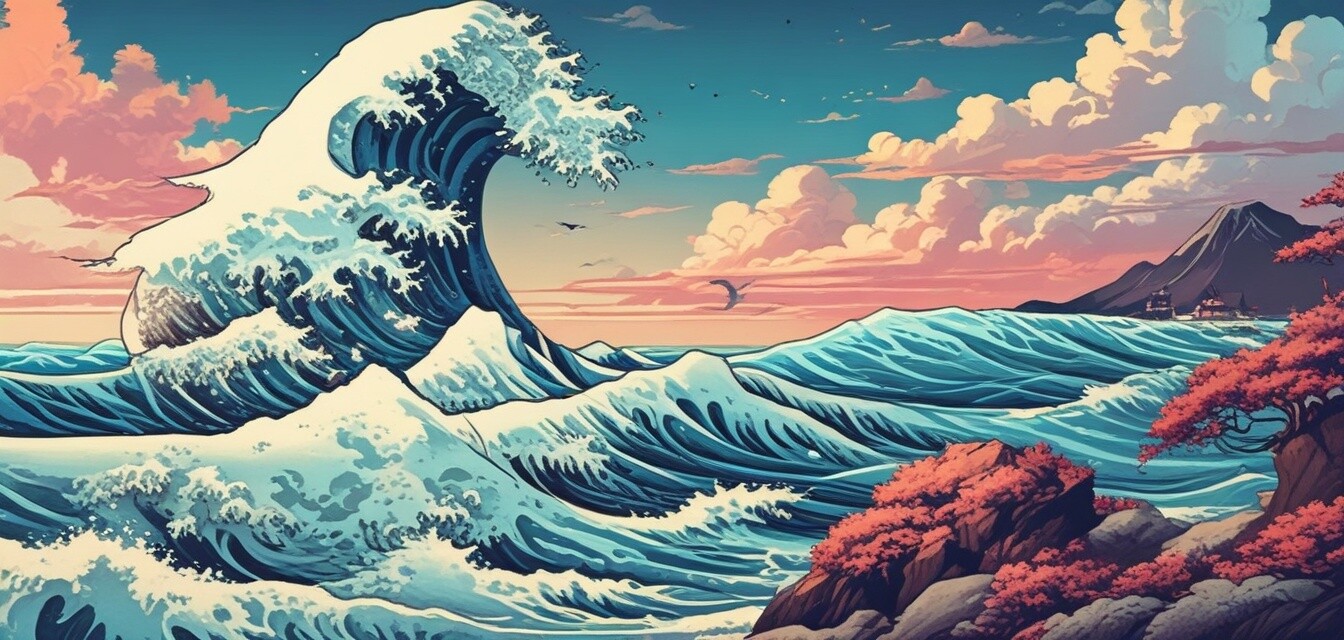
Hokusai’s Influence on Graphic Novels and Pop Culture
Key Takeaways
- Hokusai's iconic artworks, especially The Great Wave off Kanagawa, resonate strongly in contemporary graphic novels.
- His techniques and themes are integrated into modern visual aesthetics, influencing character designs and narrative styles.
- The blending of traditional art forms and digital aesthetics creates a unique fusion highly appreciated in pop culture today.
Katsushika Hokusai, a name synonymous with Japanese art, left an indelible mark on art history. His works, particularly The Great Wave off Kanagawa, are not just celebrated in traditional art circles but have transitioned into modern contexts, reshaping graphic novels and pop culture. This article explores how Hokusai's artistry inspires contemporary graphic novelists and impacts visual storytelling across various media.
Hokusai's Artistic Legacy
Born in 1760, Hokusai is best known for his ukiyo-e woodblock prints. His style embodies movement, emotion, and a connection to nature. The Great Wave off Kanagawa, part of his Thirty-Six Views of Mount Fuji series, has transcended its origins to become a global icon. Its striking composition and turbulent waves resonate with various artistic sensibilities, especially in graphic novels.
The Great Wave and Visual Storytelling
The Great Wave off Kanagawa is noted for its dynamic composition, which narrates the struggle between man and nature. This theme echoes in many modern graphic novels where artists employ visual drama to tell compelling stories. Here are a few aspects of Hokusai's influence:
Pros
- Dynamic compositions that enhance story engagement.
- Rich traditional themes that align with modern narratives.
- A unique visual language that stands out in pop culture.
Cons
- Some interpretations may stray too far from original cultural significance.
- Digital adaptations may lose texture found in traditional methods.
Impact on Graphic Novelists
Today, artists in the graphic novel realm draw inspiration from Hokusai's dynamic lines and vivid imagery. Graphic novels often combine written narrative with visual storytelling, and Hokusai’s commitment to detail and emotion influences how characters and scenes are depicted.
Examples of Hokusai's Influence
| Graphic Novel | Hokusai's Influence | Artist |
|---|---|---|
| Usagi Yojimbo | Incorporates Hokusai's sweeping landscapes and nature elements. | Stan Sakai |
| Akira | Uses bold lines and motion akin to Hokusai’s style. | Katsuhiro Otomo |
| Scott Pilgrim | A nod to Hokusai's color palettes and playful movement. | Brian Lee O'Malley |
The Blend of Traditional and Modern
The combination of traditional artistry with modern techniques is evident in how Hokusai's works are reinterpreted. Artists today utilize software to enhance the brushes and textures reminiscent of traditional woodblock prints, creating a unique fusion of old and new.
Pop Culture Phenomena
Hokusai's influence extends beyond graphic novels. His work appears in fashion, video games, and other forms of visual media. The vibrant visuals and narratives in these domains reflect his inspiration in a multitude of modern contexts, further solidifying his legacy.
Featured Product: The Great Wave of Kanagawa Artwork
To celebrate Hokusai’s legacy in your home, consider the Wieco Art Great Wave of Kanagawa. This beautiful giclee canvas piece beautifully captures the essence of Hokusai’s work.
 Artistic Masterpiece
Wieco Art Great Wave of Kanagawa
This stunning artwork is perfect for enhancing your living space, featuring high-definition giclee printing on quality canvas.
Learn MoreConclusion
Katsushika Hokusai's influence is evident in the way modern graphic novelists weave visual narratives. His artistry, rich with emotion and energy, continues to inspire and shape pop culture aesthetics. Recognizing Hokusai's legacy enables us to appreciate the continuous evolution of art from past traditions to contemporary innovation.
Related Resources
For further reading on Hokusai and his masterpieces, check out these links: