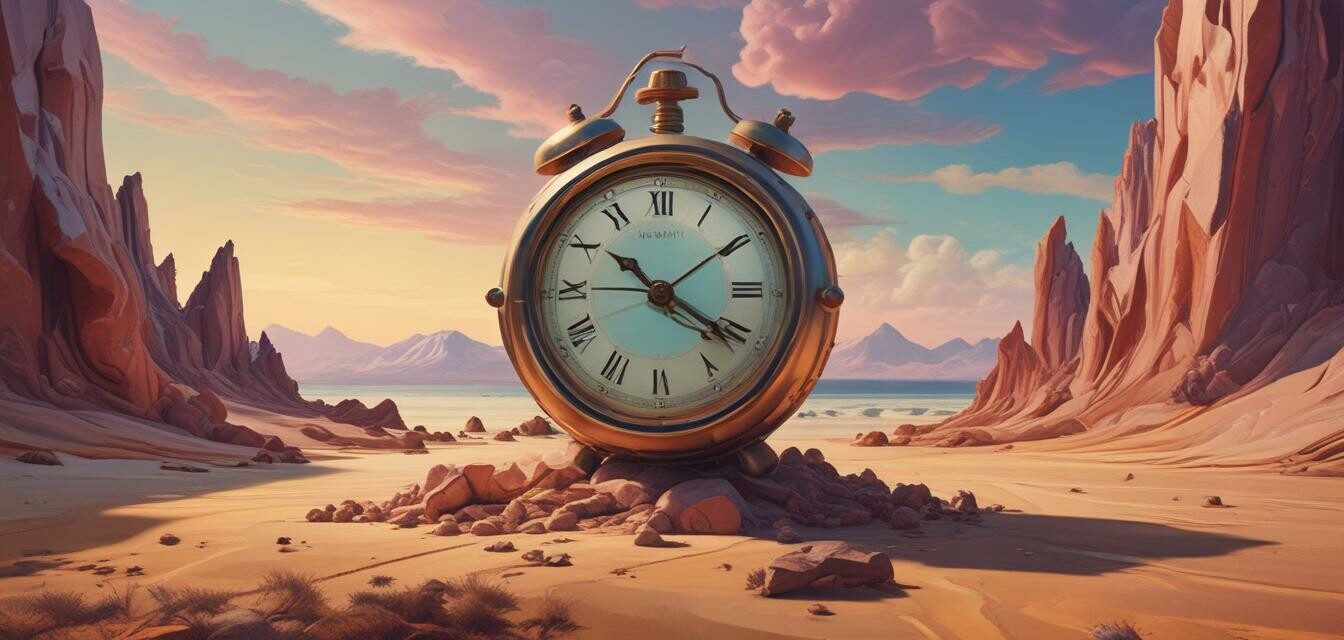
The Evolution of Surrealism: Dali to Modern Psychology
Key Takeaways
- Salvador Dali's art portrayed deep psychological themes.
- Surrealism expanded the discussion of the subconscious mind in psychology.
- The blend of art and therapy has evolved due to surrealism's impact.
- Modern artists continue to explore surrealistic techniques.
- Understanding art helps people connect with their psychological experiences.
In the realm of art, few movements have had as profound an impact on both artistic practices and psychological theories as surrealism. At the forefront of this movement was Salvador Dali, whose unique techniques transcended mere artistic expression, delving deep into the psyche of human emotions and thoughts. As we navigate through this evolution of surrealism, we explore the threads that connect Dali’s work to modern psychology and contemporary art practices.
The Roots of Surrealism
Surrealism emerged in the early 20th century as a reaction to the rationalism of the preceding eras. Influenced by the developments in psychology, particularly the theories of Sigmund Freud, surrealists aimed to express the unconscious mind. They believed that by tapping into this part of themselves, they could unlock creativity and explore deeper emotional truths.
Salvador Dali’s Techniques
Dali’s techniques were revolutionary and included:
- Automatic drawing: A process that bypasses the conscious mind to free latent ideas.
- Dream imagery: Visuals derived from Dali's lucid dreams that manifest subconscious material.
- Symbolism: Use of recognizable objects in strange contexts to evoke psychological interpretations.
Dali and Modern Psychology
Salvador Dali wasn’t only a painter; he was a visual psychologist. His art opened discussions about identity, desire, and the intricate designs of the subconscious. The psychological connections found in his works include:
| Artwork | Psychological Theme |
|---|---|
| The Persistence of Memory | Time and its relativity |
| The Elephants | Symbolism of strength and instability |
| The Sacrament of the Last Supper | Religious and existential questioning |
Dali’s work sparked interest in the psychology of art, leading to new approaches within therapeutic methods aimed at understanding and expressing emotions.
Influences on Contemporary Art
The legacy left by Salvador Dali continues to inspire today’s artists. Contemporary art often revisits and reinterprets surrealistic techniques for different purposes:
- Exploration of identity: Artists utilize surrealism to probe personal and collective identity.
- Emotional narrative: Surrealistic elements help in expressing complex emotional states.
- Interactivity: Modern artists incorporate surreal elements into installations that engage audiences actively.
The Evolution of Therapy Through Art
Modern psychology recognizes the therapeutic value of artistic expression. Through art therapy, many individuals access their subconscious, confront adversities, and find healing. The influence of surrealist techniques have been significant in this field:
Beginners Section
If you're new to exploring art and psychology, consider these tips:
- Visit art exhibitions to see surrealistic pieces in person.
- Try automatic drawing as a means to expel thoughts and feelings.
- Engage with art therapy programs to learn more about the connection between creativity and healing.
- Read more about surrealism through our Buying Guides for insights.
Conclusion
The evolution of surrealism from Salvador Dali to modern psychological practices is a testament to the profound impact of art on the human mind. As we continue to explore these connections, we find that the boundaries between art and psychology are not only blurred but enrich the experiences of individuals. This ongoing dialogue continues to inspire artists and psychologists alike, creating a space for innovation and understanding in both fields.
Pros
- Deep exploration of emotions through art.
- Encouragement of creativity in psychological therapy.
- Still relevant in modern artistic expressions.
Cons
- May not suit everyone’s artistic taste.
- Can be difficult to interpret without prior understanding.
- Requires careful guidance in therapeutic settings.
Stay Informed on Art Trends
To learn more about the latest happenings in the art world and how psychological influences merge with artistic expression, visit our News and Trends section. Keep your passion for art alive and fuel your appreciation for its transformative power.