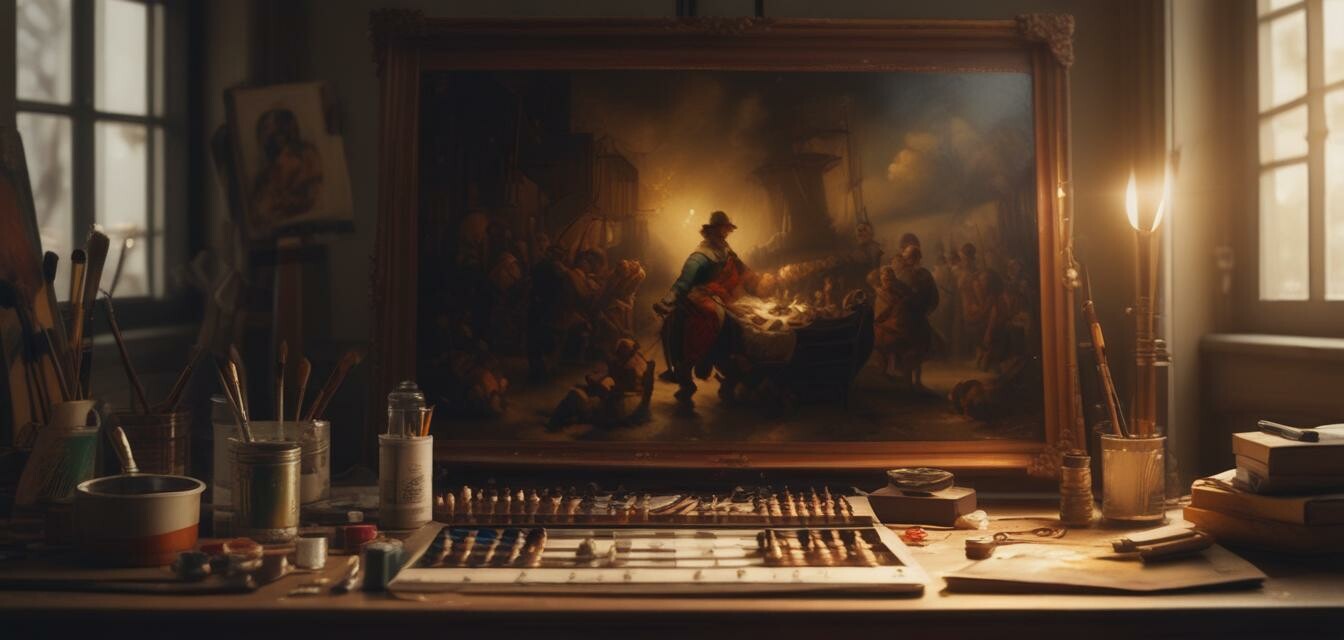
Essential art supplies for painting like Rembrandt
Key Takeaways
- Choosing high-quality oil paints is crucial for vibrant colors.
- Proper brushes can make a significant difference in your painting techniques.
- Understanding the importance of canvas quality enhances your artwork.
- Experimenting with mediums can help replicate Rembrandt's unique textures.
- Investing in the right tools allows for better control and expression.
If you're looking to channel the legendary master Rembrandt in your art practice, having the right supplies is crucial. This guide will help you choose essential materials that align with the techniques used by Rembrandt, enabling you to create vibrant and textured works that echo his iconic style.
Essential art supplies
1. Oil paints
Rembrandt is known for his rich and warm color palette. To achieve similar effects, you need high-quality oil paints. Below is a table of essential colors to consider:
| Color | Shade | Brand Suggestions |
|---|---|---|
| Cadmium Yellow | Vibrant and warm | Winsor & Newton |
| Ultramarine Blue | Deep and intense | Gamblin |
| Carmine Red | Rich and bold | Sennelier |
| Burnt Umber | Earthy and warm | Old Holland |
| Titanium White | Bright and opaque | Holbein |
2. Brushes
Your choice of brushes will impact the texture and detail in your paintings. Different shapes can help you achieve various effects:
- Filbert brushes: Ideal for blending and soft edges.
- Flat brushes: Great for covering large areas and creating sharp lines.
- Round brushes: Perfect for fine detailing and intricate work.
3. Canvas and supports
The quality of your canvas can greatly affect your work. Rembrandt often used linen canvases, which have a natural texture and absorbency:
| Type | Description | Recommended Brands |
|---|---|---|
| Stretched canvas | Pre-stretched canvas for convenience | Fredrix |
| Linen canvas | Durable with a fine texture | CanvasRolls |
| Wood panels | A sturdy alternative with unique texture | Ampersand |
4. Mediums
Using mediums can alter the consistency and drying times of your paints, helping you achieve different effects:
- Linseed oil: Increases gloss and fluidity.
- Turpentine: Used for thinning paint and cleaning brushes.
- Stand oil: Creates a smoother finish and extends drying time.
5. Palette
A proper palette allows you to mix colors effectively. Consider these options:
Tips for Beginners
- Start with a limited palette to understand color mixing.
- Practice layering techniques to build depth in your paintings.
- Take inspiration from Rembrandt’s work. Analyze his color choices and brush strokes.
Conclusion
By equipping yourself with the right art supplies, you will not only pay homage to Rembrandt but also enhance your own artistic skills. Remember, the heart of art is practice and experimentation, so don't hesitate to try different techniques with your new tools.
Explore more about famous painters
To deepen your knowledge, check out our articles on [Rembrandt's masterpieces], [Leonardo da Vinci], and [Vincent van Gogh].
Pros
- High-quality materials improve your artistic results.
- Understanding supplies builds a better foundation for skill development.
- Replicating master techniques can inspire creativity.
Cons
- Quality art supplies can be expensive.
- Choosing the right materials may feel overwhelming for beginners.
- Creating high-level art requires patience and practice.