Understanding the Techniques of Edgar Degas
Key Takeaways
- Edgar Degas is renowned for his ability to capture movement and the human form through innovative techniques.
- His use of pastels and oils allowed for rich textures and vibrant colors in his works.
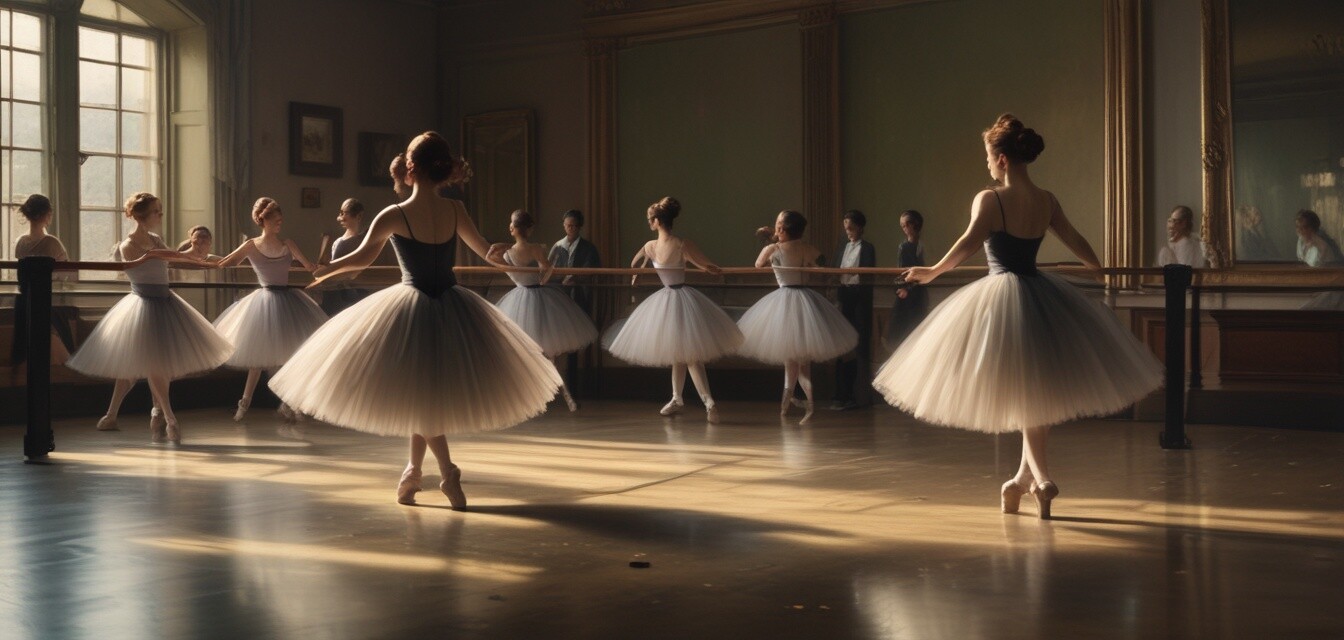
- Degas often painted scenes from ballet, capturing the grace and energy of dancers.
- Aspiring artists can learn from his unique approach to composition and perspective.
Edgar Degas was a master of movement and one of the pioneers in capturing the essence of human emotion through art. Focused primarily on ballet dancers, Degas infused life into his work, allowing viewers to feel the energy of a rehearsing studio. This article explores his techniques and how aspiring artists can apply them.
The Essence of Degas's Techniques
Degas’ approach to art was unorthodox for his time, leaning away from traditional values to focus on spontaneous and dynamic aspects of human existence. Let’s delve into some of his hallmark techniques:
1. Use of Color and Mediums
Degas was primarily known for his use of pastels, oil paints, and charcoal. The unique combination of these mediums allowed him to create textured and vibrant pieces that convey motion.
| Medium | Characteristics |
|---|---|
| Pastels | Soft texture, vivid colors, and ease of blending make them perfect for depicting movement. |
| Oil Paints | Rich pigment and versatility allow for layering, creating depth and emotion in the artwork. |
| Charcoal | Excellent for sketching outlines and capturing quick, dynamic motion. |
2. Composition and Perspective
Degas played with angles and unconventional viewpoints, often portraying dancers from unexpected positions. This approach offered a stark contrast to traditional portraiture.
3. Capturing Movement
Through his intricate brushstrokes and careful attention to shadows and light, Degas brought to life the act of moving. His artworks resemble frozen moments of dance, making viewers feel as if they are part of the performance.
Learning from Degas: Techniques for Aspiring Artists
If you’re an artist looking to infuse your work with energy and emotion like Degas, here are some techniques to consider:
Beginners Section
- Experiment with pastels to understand how color can affect movement.
- Practice dynamic poses by sketching dancers from various angles and viewpoints.
- Use lighting to create depth in your compositions.
- Study the compositions of Degas to see how he combined figures with the background.
- Focus on capturing fleeting moments to add life to your artwork.
Featured Artwork: The Dance Class
One of Degas's iconic works, The Dance Class, demonstrates his talent for portraying motion. This piece not only captures the dancers’ grace but also reflects the artist’s exceptional technique.
 Timeless masterpiece
A&T Artwork The Dance Class by Edgar Degas
This high-quality giclee canvas print captures the beauty and motion of Degas's original work, perfect for any art lover or home decor enthusiast.
Learn MoreUnderstanding the Context of Degas's Work
Degas was not only an artist but also a keen observer of life. His works are a reflection of the society and cultural changes during his time. This makes understanding his context integral to appreciating his art.
Influence on Modern Art
Degas's innovative methods laid the groundwork for future generations of artists. His focus on human emotion, movement, and light continues to inspire artists today.
Conclusion
Edgar Degas remains a significant figure in art history, and his techniques are as relevant today as they were during his lifetime. By understanding and applying his methods, aspiring artists can develop their own unique approaches inspired by this master of movement.
Further Reading
If you want to deepen your understanding of other famous artists, take a look at our resources on: