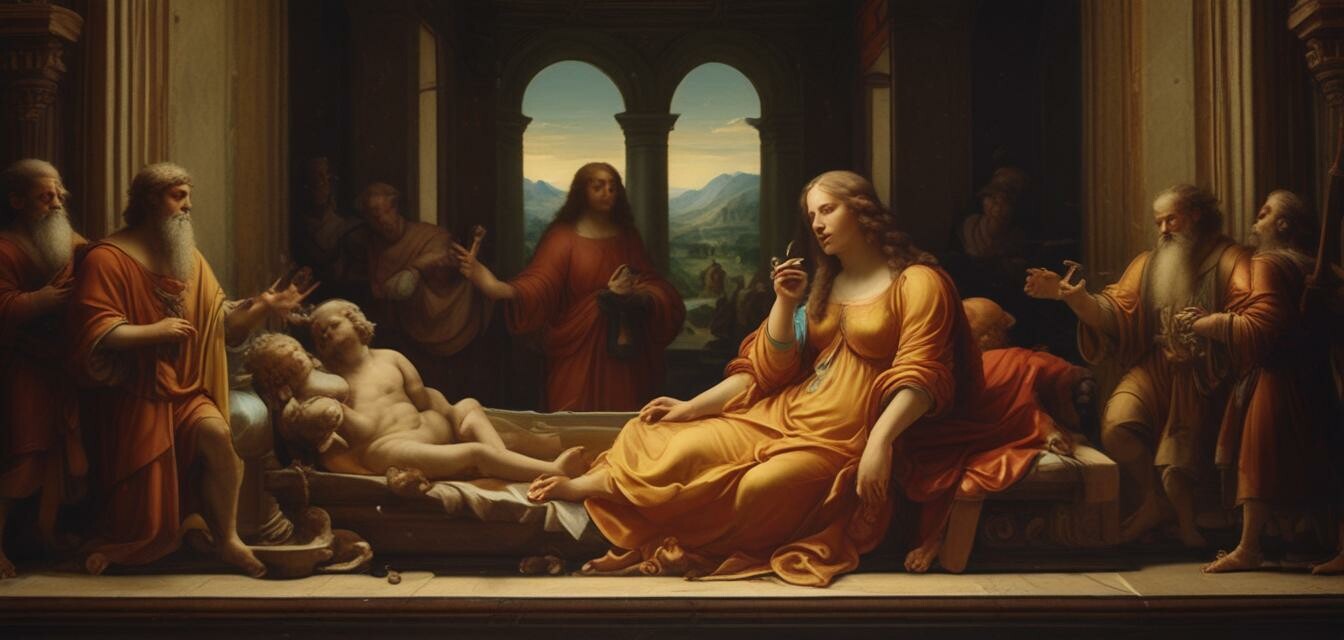
Understanding the Techniques of Leonardo da Vinci
Key Takeaways
- Leonardo da Vinci combined innovative methods such as sfumato and chiaroscuro.
- His curiosity and scientific approach greatly influenced the accuracy of his representations.
- Da Vinci's techniques are pivotal in understanding the evolution of Renaissance art.
- He emphasized observation and the study of nature, which played a crucial role in his works.
- Leonardo's legacy continues to inspire artists and students today.
Leonardo da Vinci, often referred to as the epitome of the Renaissance man, is renowned for his artistic genius and innovative techniques. This article delves into the unique approaches that defined his style, contributing to the evolution of Western art. From his use of light and shadow to his meticulous studies of human anatomy, we will explore how these techniques not only shaped his masterpieces but also laid the foundation for future artists.
1. The Renaissance Context
Before exploring Leonardo da Vinci's techniques, it is essential to understand the era in which he worked. The Renaissance marked a pivotal transition in art, characterized by a revival of classical learning and a focus on humanism. This period allowed artists like Leonardo to innovate and experiment with new methods, which set the stage for profound changes in artistic expression.
2. Key Techniques Used by Leonardo da Vinci
| Technique | Description |
|---|---|
| Sfumato | A technique that creates a soft transition between colors and tones, resulting in a smoky effect. It enhances realism by depicting subtle variations in light and shadow. |
| Chiaroscuro | The use of strong contrasts between light and dark to give the illusion of volume in modeling three-dimensional objects and figures. |
| Anatomical Studies | Leonardo's rigorous studies of human anatomy allowed him to depict the human body with unprecedented accuracy and realism. |
| Perspective | His understanding of linear perspective allowed for the creation of depth in his compositions, enhancing the overall realism of his paintings. |
| Color Theory | Da Vinci used color to evoke drama and emotion, employing a palette that emphasized harmonious combinations. |
2.1 Sfumato in Detail
One of Leonardo's most famous techniques, sfumato, is exemplified in his masterpiece, the Mona Lisa. This technique involves blending colors and tones so that outlines become softer and less distinct, which creates an atmospheric effect. The subtle transitions enhance the illusion of depth, allowing for a more lifelike representation of the subject.
2.2 Chiaroscuro Explained
Another cornerstone of Leonardo's style is chiaroscuro. This technique plays a crucial role in visual storytelling, as it allows painters to guide the viewer's eye and emphasize focal points through light and shadow. Leonardo's works, such as The Last Supper, showcase his sophisticated use of this technique, making subjects appear more three-dimensional.
3. The Importance of Observation
Leonardo was known for his profound curiosity and rigorous observation of the natural world. His meticulous sketches in his notebooks reveal an unwavering dedication to understanding nature, anatomy, and movement. His belief that an artist must study reality is a central theme throughout his career.
4. Lasting Impact on Future Artists
Leonardo's techniques laid a foundation for future generations. Artists such as Caravaggio, Rembrandt, and even the Impressionists drew inspiration from his use of light, shadow, and color. His influence continues to be felt in modern art education and practices.
5. Conclusion
Understanding Leonardo da Vinci's techniques provides valuable insight into the development of Renaissance art. His innovative methods were not just about creating beauty; they centered around a deep understanding of human experience and the natural world. As art students and enthusiasts delve into his works, they uncover the timeless principles that continue to inspire creativity and appreciation for art.
Pros
- Da Vinci's techniques promote a profound understanding of realism.
- The emphasis on observation fosters skills that are essential for budding artists.
- His works demonstrate a harmonious balance of art and science.
Cons
- Mastering his techniques requires considerable time and practice.
- Some techniques, like chiaroscuro, may be challenging for beginners.
Learn More
If you're interested in exploring more about famous painters and their techniques, check out our insightful guides on Leonardo da Vinci, delve into the works of Rembrandt, or explore the masterpieces of Caravaggio.