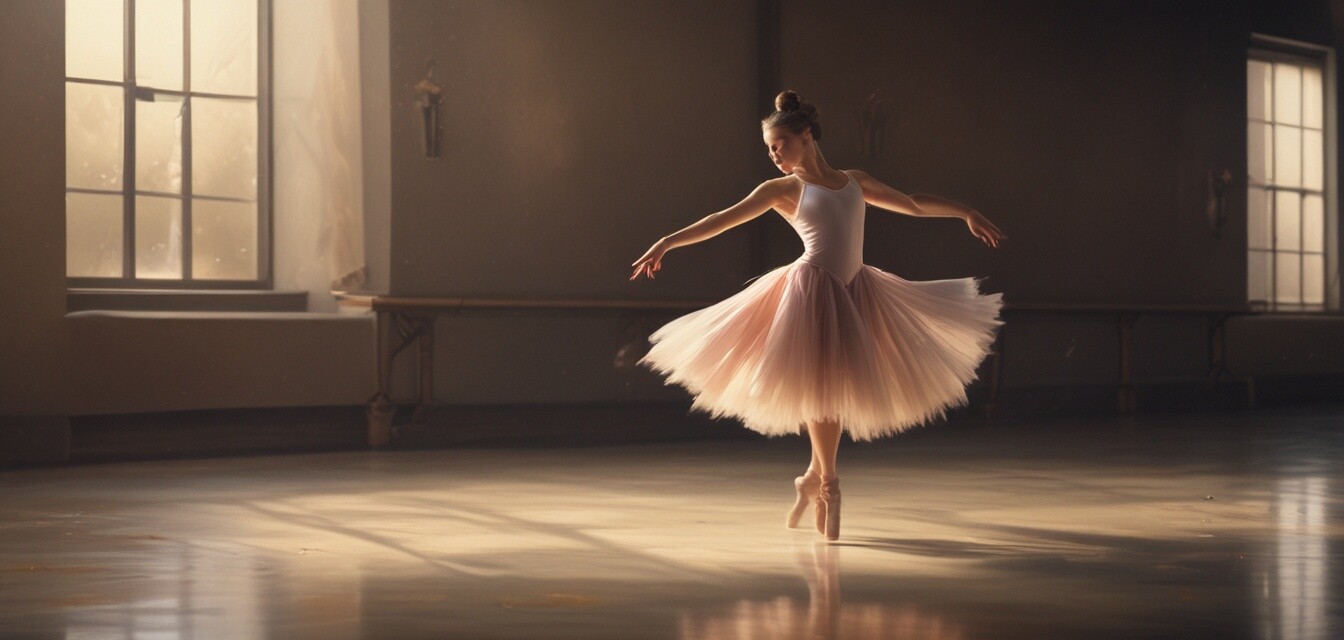
Understanding Movement in Degas's Dance Works
Key Takeaways
- Edgar Degas utilized unique techniques to convey motion in his dance paintings.
- His use of color, light, and perspective creates a sense of dynamism.
- Understanding these methods aids modern artists in capturing movement effectively.
- Degas's works are sought-after in the art world, influencing generations of artists.
- Techniques like layering and impressionistic brushwork enhance the fluidity of his subjects.
Edgar Degas is renowned for his remarkable ability to capture movement and grace, particularly in his depictions of ballet dancers. This article explores how Degas portrayed dynamic motion in his works and offers insights that can inspire modern artists. Understanding Degas's methods not only deepens our appreciation of his art but also provides valuable techniques for aspiring painters.
Degas's Approach to Movement
Degas's portrayal of dancers goes beyond mere representation; he encapsulated the essence of motion. His paintings reveal the intricate balance of stillness and dynamism. Here are the fundamental techniques he employed:
- Capturing the Moment: Degas often painted dancers mid-performance, focusing on transitional poses that showcase movement.
- Use of Composition: The arrangement of figures in space gives a sense of direction and flow, enhancing the feeling of motion.
- Color and Light: Through his choice of colors and the play of light, Degas created an atmosphere that conveys motion.
- Layering Techniques: Use of layers in his paintings adds depth and complexity, allowing the eye to follow movement across the canvas.
The Dance Class
One of Degas's most famous works, The Dance Class, beautifully illustrates these principles. The painting portrays a rehearsal scene, with dancers in various postures, showcasing their grace and discipline. Each dancer embodies a moment in time, contributing to the overall motion of the piece.
 Timeless reproduction
A&T ARTWORK The Dance Class by Edgar Degas
Stunning Giclee canvas print featuring Edgar Degas's iconic ballet scene, perfect for art lovers and home decor enthusiasts.
Learn MoreTechniques for Capturing Movement
Degas's innovative methods can inspire today’s artists in their quest to portray movement effectively. Here are some practical techniques you can apply:
- Study Moving Subjects: Observe dancers, athletes, or any moving subject. Sketch them in various poses to capture their motion.
- Experiment with Angles: Use different perspectives to depict action. A low-angle view can make movements appear more dramatic.
- Utilize Color and Light: Explore how colors can suggest movement. Bright colors can evoke energy, while soft colors suggest calmness.
- Incorporate Textures: Use various brush techniques to create depth and movement. Thick, textured strokes can convey dynamic action.
- Layer Your Paintings: Build layers gradually to convey depth. This technique helps in portraying foreground and background movement.
Examples from Degas’s Works
Degas's techniques are not just limited to a single painting. Works such as Edgar Degas's ballet paintings and various studies show how he consistently applied these principles. His understanding of human anatomy and keen observation played a crucial role in these masterpieces.
Conclusion
Understanding movement in art, particularly in the works of Edgar Degas, reveals much about the interplay between stillness and dynamism. Through observing his techniques, modern artists can adopt new methods to capture motion effectively, enriching their artistic expression.
Further Learning
For those interested in exploring more about Edgar Degas's techniques and other famous painters, check out the following resources: