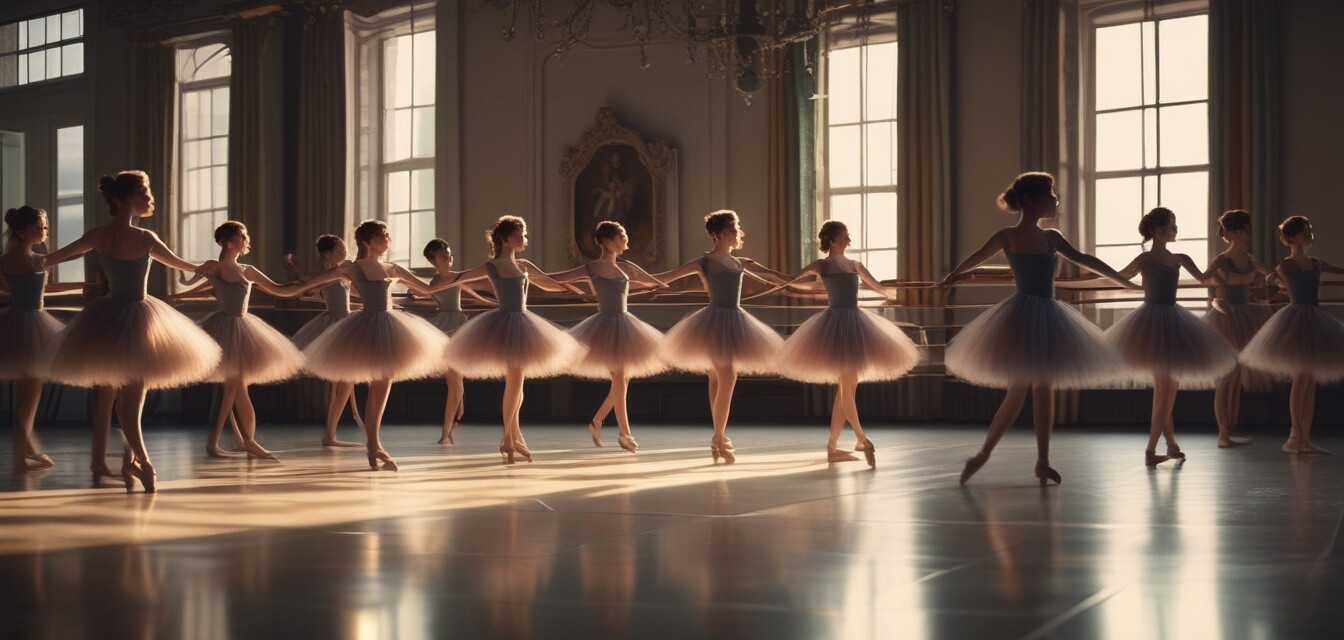
Understanding Movement and Composition in Degas's Art
Key Takeaways
- Edgar Degas was a master of capturing movement, particularly in his ballet and dance compositions.
- His use of angles and perspective draws viewers into the action of the scene.
- Degas employed techniques such as pastel colors and chiaroscuro to enhance the vibrancy of his work.
- Understanding his approach can provide valuable insights for modern artists.
- Degas's work continues to influence how movement and composition are perceived in contemporary art.
Edgar Degas, best known for his depictions of ballet dancers, had a unique ability to express movement and capture the essence of his subjects through careful compositional choices. This article will explore how Degas's techniques in portraying movement and structuring his compositions can enrich modern artistic practices. By analyzing his work, artists today can gain insights into the dynamic nature of art.
Degas's Influence on Movement in Art
Degas's works are characterized by a fluidity that evokes motion. His subjects often appear in moments of action—a dancer mid-leap or a jockey poised for a race. This section delves into the various techniques Degas used to illustrate motion:
- Use of abrupt angles to suggest movement and create tension.
- Capturing movement within a still image through blurred lines and strokes.
- Incorporating overlapping figures to convey depth and action.
Analyzing Specific Works
To understand how Degas managed movement, let’s look at some notable works:
| Artwork | Description | Technique |
|---|---|---|
| The Dance Class | A group of dancers practicing, showing different poses and energy levels. | Use of perspective and light to draw focus on movement. |
| Jockeys before the Race | Jockeys on their horses, ready to race, capturing a moment of excitement. | Dynamic angles emphasize the horses' energy and movement. |
| Ballet Rehearsal | Dancers in various stages of rehearsal, encapsulating the grace of ballet. | Blurred figures depict motion and transitions between poses. |
Composition Techniques
Alongside movement, Degas's compositional choices played a significant role in his art. His ability to arrange figures and spaces leads viewers through the scene seamlessly. Here are several key aspects of his compositions:
- Asymmetrical Balance: Degas often placed subjects off-center to create movement and keep the viewer engaged.
- Framing: He used surrounding elements, like furniture, to frame his subjects effectively.
- Use of Space: The space in his artwork often appears both tight and overwhelming, capturing the chaos of ballet.
Modern Interpretations of Degas's Techniques
Artists today can look to Degas for inspiration, applying similar techniques of movement and composition in their own works. Here are practical applications:
Tips for Modern Artists
- Experiment with angles to create dynamic compositions.
- Incorporate overlapping elements to give a sense of depth and activity.
- Use color contrasts to highlight movement within your artwork.
Showcasing Degas's Mastery: The Dance Class
A perfect example of Degas’s mastery is found in his artwork titled The Dance Class. This painting conveys a lively dance rehearsal with an emphasis on movement and composition.
 Timeless Giclee Print
A&T Artwork The Dance Class by Edgar Degas
This giclee canvas print captures the essence of Degas's famous ballet piece, providing an elegant decor for any art lover's space.
Learn MoreConclusion
Understanding movement and composition in Edgar Degas’s works offers valuable lessons for contemporary artists. By employing similar techniques and exploring the dynamism of composition, artists can infuse life into their pieces, paying homage to the masters with modern interpretations. Whether you’re an aspiring artist or simply an art lover, Degas's techniques provide lasting inspiration.