Understanding Matisse's Use of Color in Art
Key Takeaways
- Henri Matisse is renowned for his innovative approach to color theory.
- His work emphasizes the emotional impact of color rather than accurate representation.
- Modern artists can draw inspiration from Matisse's techniques to enhance their own artistic expressions.
- Matisse’s use of color can create mood, convey meaning, and evoke emotion.
- The relationship between colors can significantly alter the viewer's perception of art.
Henri Matisse is regarded as one of the most significant artists of the 20th century, known for his bold use of color, which transformed the landscape of modern art. In this article, we will explore Matisse's innovative approach to color theory, his techniques, and how contemporary painters can apply these principles to create vibrant expressions in their own artwork.
The Importance of Color in Matisse’s Work
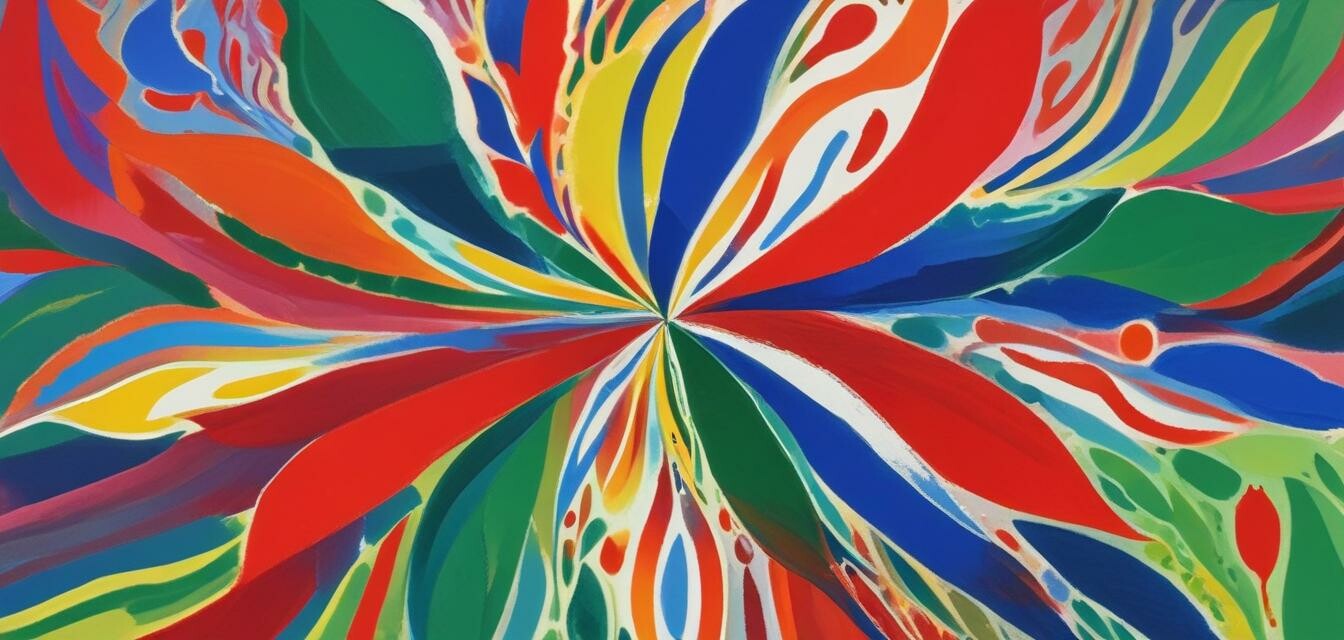
Matisse believed that color could create mood and communicate emotions more powerfully than form. By breaking away from conventional representations of reality, he allowed color to take center stage in his artwork. His seminal work, "The Joy of Life," exemplifies his dynamic use of color.
Matisse’s Color Palette
One of the most notable features of Matisse's art is his unique color palette. Here’s a breakdown of the color schemes he often used:
| Color Scheme | Description | Examples |
|---|---|---|
| Complementary | Using colors opposite each other on the color wheel to create contrast. | Red and green in "The Dance" |
| Analogous | Colors next to each other on the color wheel, promoting harmony. | Blue, turquoise, and green in "Woman with a Hat" |
| Monochromatic | Variations of a single hue, providing depth and dimension. | Shades of blue in "The Blue Nude" |
Techniques for Applying Matisse's Color Theory
Today's artists can find great inspiration in Matisse's techniques, especially in using color to invoke emotion and tell a story. Here are some practical tips based on Matisse's methods:
Tips for Modern Painters
- Experiment with Colors: Don't be afraid to use bold colors and create contrast. Test color combinations on a small scale before applying them to larger canvases.
- Use Color to Evoke Feelings: Decide what emotion you want to convey and select your color palette accordingly. Reds can suggest passion, while blues may evoke tranquility.
- Layer Colors: Apply multiple layers of paint to create depth and intensity, as Matisse often did in his works.
- Try Different Styles: Explore various painting styles to find what resonates with your expression and complements your color choices.
- Study Matisse's Art: Analyze key works to understand how he integrated colors and forms, and consider visiting exhibitions if possible.
Highlighted Product: Matisse Canvas Print
For those looking to bring Matisse's vibrant aesthetic into their home, consider the Wieco Art Canvas Prints Dance by Henri Matisse. This canvas print captures the essence of Matisse’s dynamic colors, making it a perfect decor choice. Below is a closer look:
 Stunning Decor
Wieco Art Canvas Prints Dance
High definition canvas printing artwork, perfect for transforming spaces with Matisse’s vibrant styles.
See ProductConclusion
Henri Matisse's revolutionary approach to color has left a lasting impact on the art world. His techniques not only define the essence of his works but also inspire modern artists to embrace the power of color. By understanding and applying Matisse's principles of color theory, any artist can enrich their work and evoke emotional responses from their audience.
Related Resources
To further explore the techniques and styles related to Henri Matisse, consider visiting our Michelangelo resource page, or check out our detailed articles on Raphael, Vincent van Gogh, and Pablo Picasso.