Mastering the Use of Color in Paul Klee's Paintings
Key Takeaways
- Paul Klee's unique approach to color emphasizes emotional expression.
- Colors can evoke different feelings and atmospheres in artwork.
- Understanding color theory can help artists apply Klee's techniques effectively.
- Experimentation with colors can lead to innovative artistic expression.
Color is an essential element in the realm of visual art, acting as a powerful tool for expression and mood setting. One artist who truly mastered the art of color is Paul Klee, renowned for his innovative use of hues and shades. In this article, we will explore the vibrant color techniques used by Klee and how artists can incorporate these principles into their own work.
Understanding Paul Klee's Color Philosophy
Klee believed that music and art are connected through the emotional effects of color. His color philosophy revolves around the idea that colors can express feelings and moods, much like musical notes can evoke emotions. Here are some core ideas behind Klee’s approach:
- Emotional Significance: Klee used color to express deep emotions. For example, warm colors like red and orange evoke excitement, while cool colors like blue and green convey tranquility.
- Color Harmony: Klee experimented with various color combinations to achieve harmony within his paintings. He often paired contrasting colors to create visual vibrancy.
- Symbolism: Colors in Klee's work often carry symbolic meanings, which can add layers of depth to his art.
Color Techniques Used by Paul Klee
1. Color Layering
Klee often layered colors to create depth in his paintings. This technique allows for nuanced textures and shadows, enhancing the overall composition. Artists can achieve this by applying multiple transparent washes of color over each other.
2. Geometric Patterns
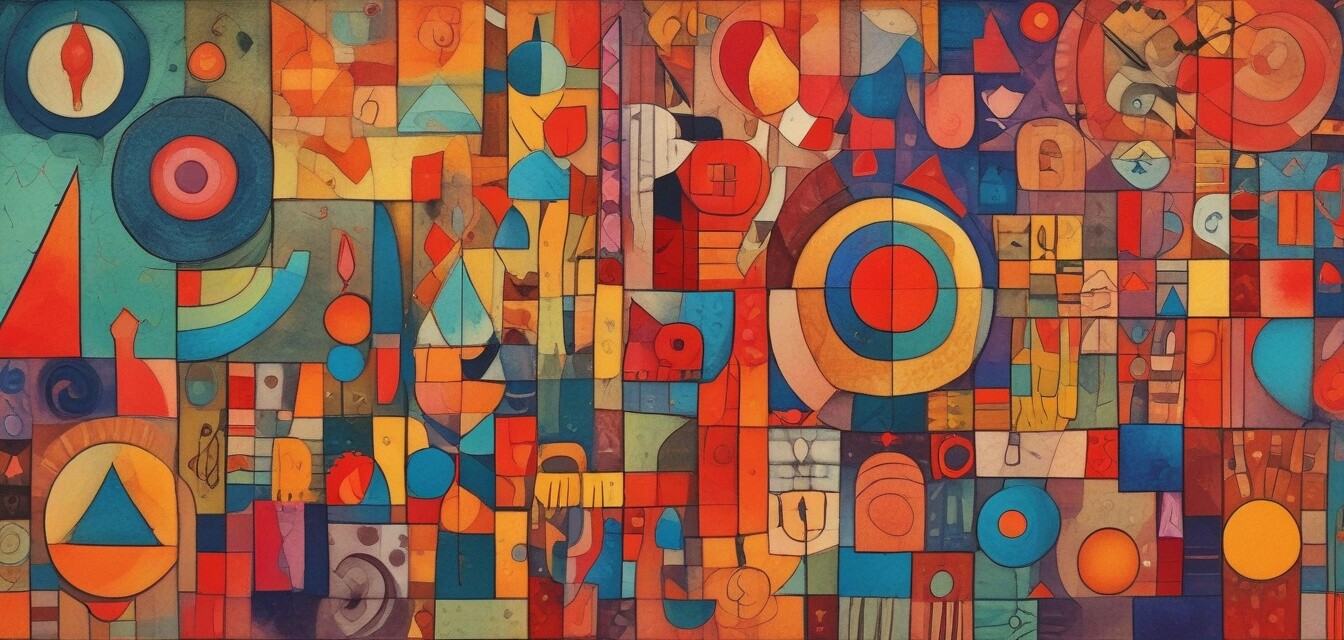
Using geometric shapes, Klee integrated colors within his forms, creating a dynamic visual experience. Many of his artworks feature overlapping circles, triangles, and squares, allowing the colors to interact in unique ways.
3. Experimentation with Mediums
Klee was known for using various mediums and materials, often mixing watercolor, oil, and ink to achieve distinct color effects. By exploring different mediums, artists can discover new methods for creating unique color applications.
4. Contrast and Complement
Klee effectively used contrasting colors to draw attention and highlight certain areas of his compositions. This technique can be seen as a way to create excitement and energy within an artwork.
5. Simplification
Paul Klee's art often involved simplification, reducing complex subjects down to basic color and shape. This abstraction encourages viewers to focus on the emotional qualities of color rather than intricate details.
Applying Klee's Techniques in Your Own Work
As you embark on your artistic journey, consider these steps to apply Klee's color principles within your art:
- Study color theory to understand the emotional impacts of colors.
- Experiment with layering different colors in your work.
- Incorporate geometric patterns to create a dynamic composition.
- Use contrasting colors to create focal points and visual interest.
- Focus on simplification, reducing overly complex subjects to their color and shape essence.
A Highlighted Product: ElephantStock’s Wall Art Inspired by Klee
 Artistic Inspiration
ElephantStock - Rich Port A Travel Picture Wall Art
Enhance your living space with this stunning canvas wall art that embodies the essence of Paul Klee's vibrant colors and abstract charm.
Learn MoreConclusion
Paul Klee's innovative approach to color lets artists express emotions and convey meaning through their art. By mastering the techniques he employed, artists can create dynamic works that resonate on an emotional level. Embrace color in its many forms, explore your creativity, and don't shy away from experimenting with new methods. The vibrant world of art awaits!
Tips for Artists
- Keep a color journal to experiment with new combinations.
- Visit galleries to observe Klee’s works and notice the colors in-person.
- Join workshops focused on color theory to deepen your skills.
Explore More about Paul Klee
Delve deeper into the captivating world of Paul Klee and explore our other resources: