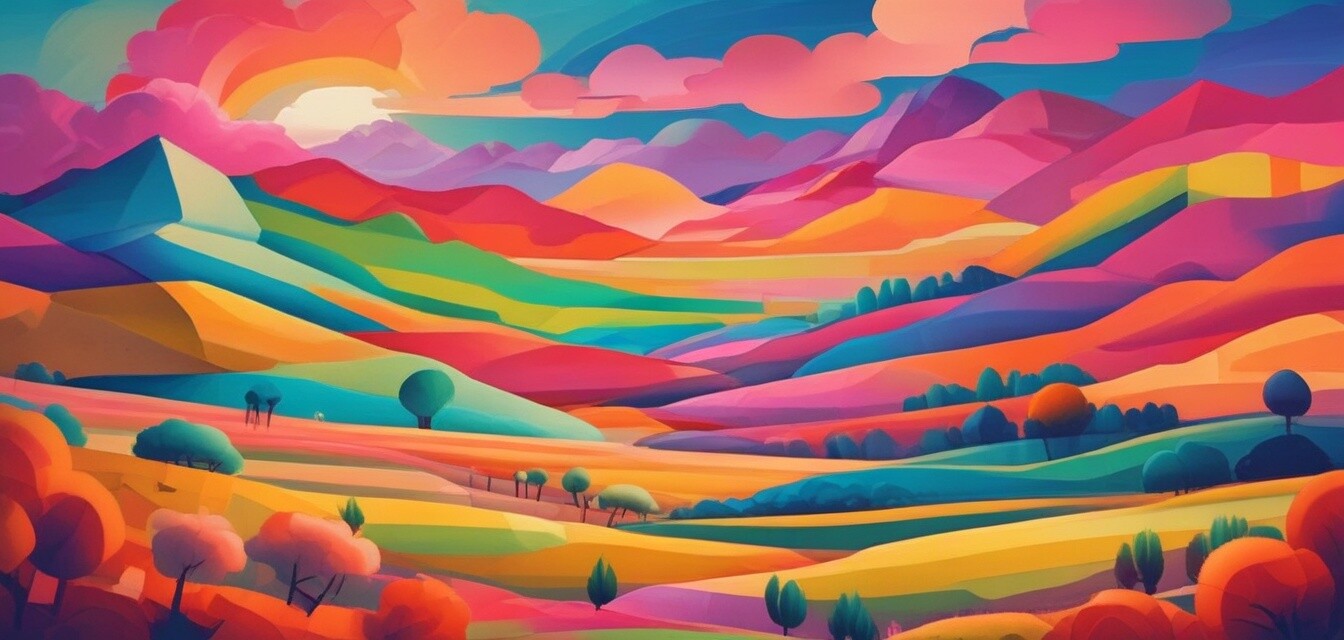
Learning from the Landscapes of Paul Klee
Key Takeaways
- Paul Klee’s landscape paintings blend abstraction with representational forms.
- Using color theory can enhance the emotional impact of your artwork.
- Experimentation is key to developing your unique artistic style.
- Pay attention to the composition to create engaging landscapes.
- Incorporate personal experiences into your artworks for deeper connections.
Paul Klee is renowned for his visionary style that marries abstract art with playful composition, particularly seen in his landscape paintings. In this article, we will explore the innovative techniques that Klee employed, offering practical tips for artists looking to develop their skills in landscape painting. Whether you’re a seasoned artist or a beginner, Klee's unique perspective can inspire your creative journey.
The Techniques of Paul Klee
Klee's work often reflects his deep interest in color theory, shapes, and forms. His landscapes, while abstract, convey feelings and emotions. Here are some defining characteristics of Klee's techniques that you can incorporate into your artwork:
- Color Usage: Klee utilized bold and harmonious colors that evoke specific emotions.
- Abstract Forms: Regular landscapes are transformed into a series of geometric shapes, lines, and soft palettes.
- Symbolism: Many elements in his work represented deeper meanings, often influenced by personal experiences and emotions.
Understanding Klee's Color Theory
Paul Klee emphasized the significance of color in conveying mood and atmosphere. Here are some tips to understand and apply his color theory:
| Color Group | Emotional Impact | Usage Example |
|---|---|---|
| Warm Colors (Red, Yellow, Orange) | Invoke excitement and energy. | Use warm colors to depict sunsets or lively scenes. |
| Cool Colors (Blue, Green, Purple) | Create calmness and serenity. | Incorporate cool colors for tranquil landscapes. |
| Neutral Colors (Beige, Gray, Brown) | Balance and unify the overall artwork. | Utilize neutrals as supporting colors in landscapes. |
Practical Tips for Creating Your Own Landscapes
Beginner's Section
- Start with a Sketch: Draw the basic landscape outline before adding details and color.
- Use Mixed Media: Experiment with different materials such as watercolors, acrylics, or collage.
- Abstract Representation: Don't shy away from interpreting your landscape in a non-literal manner.
- Process Over Product: Focus on enjoying the painting process rather than striving for perfection.
- Seek Feedback: Share your work with peers for constructive criticism and support.
Explore Klee's Landscape Masterpieces
To better understand Paul Klee’s influence on landscape painting, let’s explore some of his notable works:
| Artwork | Year | Description |
|---|---|---|
| Fish Magic | 1925 | A combination of abstract and representational forms that create a dreamlike underwater landscape. |
| Senecio | 1922 | Fuses human features into a landscape, showcasing Klee’s ability to blend introspection with nature. |
| Fertile Land | 1934 | An abstract representation of fertile fields, illustrating a connection between the earth and the human experience. |
Incorporating Klee's Concepts into Your Work
Understanding Paul Klee's methodology not only enhances your artistic skills but also deepens your emotional expression in landscapes. Try to integrate the following concepts into your art practice:
- Use unexpected color combinations to create a sense of energy.
- Replace realistic forms with geometric shapes to represent natural elements.
- Introduce personal symbols into your landscapes to convey a unique narrative.
Featured Product: Paul Klee Wall Art
 Vibrant Decor
ElephantStock - Rich Port A Travel Picture Wall Art
This canvas wall art features the abstract brilliance of Paul Klee, perfect for adding elegance to your living space with its serene beige tones.
Learn MoreConclusion
Learning from the innovative techniques of Paul Klee can significantly enrich your approach to landscape painting. By embracing abstraction, experimenting with colors, and incorporating personal symbols, you can create impactful artworks that resonate with both you and your audience. Let Klee’s genius guide you on your artistic journey and inspire creativity in every stroke.
Further Reading
For more information on famous painters and their techniques, consider exploring our resources: