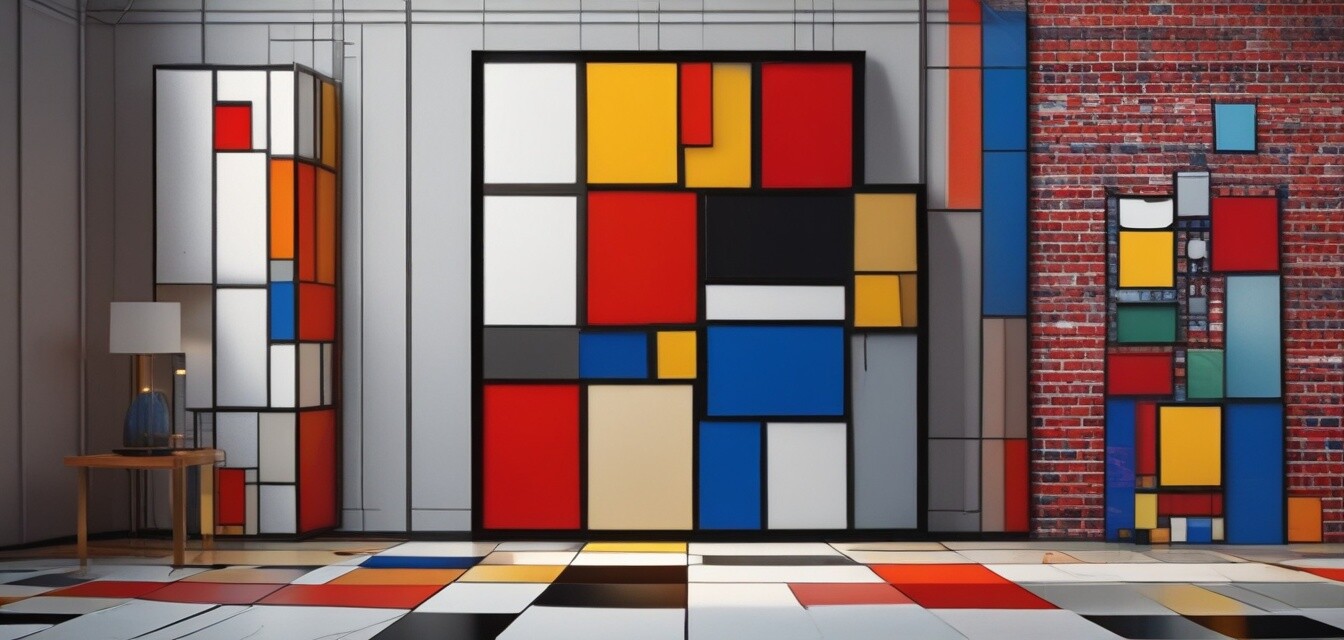
Learning from Piet Mondrian: Structure and Simplicity
Key Takeaways
- Piet Mondrian's work emphasizes the use of geometric shapes and primary colors.
- Understanding composition is vital in creating balanced artwork.
- Less is more: simplicity is a powerful tool in art.
- Experimenting with structure can lead to innovative artistic expression.
- Combining art with modern decor can enhance both aesthetic and environment.
Piet Mondrian, a Dutch painter known for his revolutionary contributions to modern art, is celebrated for his distinctive style characterized by geometric forms and a primary color palette. His works embody a sense of order, structure, and simplicity, making them inspirational for aspiring artists. This guide will delve into the key aspects of Mondrian’s artistry, exploring how you can apply his principles of structure and simplicity in your own work. Let's get started!
Who is Piet Mondrian?
Piet Mondrian was born on March 7, 1872, in Amersfoort, Netherlands. Initially influenced by earlier artistic movements, he later developed a distinct aesthetic grounded in abstraction. His iconic grid compositions, made of horizontal and vertical lines with blocks of primary colors, sought to express universal beauty and harmony. Exploring his techniques can provide valuable lessons for today's artists.
The Fundamentals of Mondrian’s Style
At the heart of Mondrian’s approach to art is the concept of simplicity and structure. Below are the primary elements of his art style:
- Geometric shapes: Mondrian primarily used rectangles and squares to create his compositions.
- Primary colors: His trademark palette consisted of red, blue, yellow, black, and white.
- Grid layouts: He arranged colors and shapes within a strict grid structure, promoting balance and harmony.
- Minimalism: The less complex the artwork, the more profound the emotional impact.
Remembering Structure and Composition
From a technical standpoint, structure is fundamental in achieving a sense of balance in your artwork. Here are some tips to consider when creating your own compositions inspired by Mondrian:
- Begin with a strong grid layout - it anchors your composition.
- Select a limited color palette to maintain focus.
- Experiment with the placement of shapes for visual interest.
- Strive for harmony between negative and positive space.
- Embrace simplicity; avoid overcrowding your artwork with unnecessary elements.
Applying Color Theory
Color plays a pivotal role in Mondrian's work. Here’s how to effectively implement color in your artwork:
| Color | Emotion | Application |
|---|---|---|
| Red | Passion and energy | Use sparingly to draw attention to key elements. |
| Blue | Calmness and tranquility | Use as a background for soothing effect. |
| Yellow | Joy and optimism | Apply in blocks to uplift the overall mood of the piece. |
| Black | Strength and elegance | Use for outlines to define shapes. |
| White | Purity and simplicity | Incorporate as negative space to give breathing room. |
Featured Product: Piet Mondrian Canvas Art
 Vibrant Decor Option
ARTCANVAS Composition with Red, Blue, and Yellow Canvas Art Print
Hand-crafted canvas that showcases Mondrian’s iconic use of color and structure, perfect for elevating your home decor.
Explore NowLearning from Mondrian: Artistic Exercises
To fully grasp the principles of Mondrian’s art, engaging in specific exercises can be beneficial:
- Create a series of sketches focusing solely on geometric forms.
- Limit your color palette to primary colors and experiment with different compositions.
- Analyze Mondrian’s most famous works for inspiration and design key elements of your unique pieces based on what you learn.
- Attend workshops that focus on abstraction and simplify your expression in art.
- Join art communities or forums to share your work for feedback and encouragement.
Conclusion
Incorporating Piet Mondrian's principles of structure and simplicity into your artwork can lead to significant improvements in your artistic journey. Whether you're an aspiring artist or someone passionate about exploring new mediums, understanding his approach to composition and color will not only enhance your skills but also your appreciation for art itself. Remember, simplicity can often convey the most profound emotions. Happy painting!
Further Reading
For those curious to learn more about various famous painters and their techniques, consider exploring these pages: