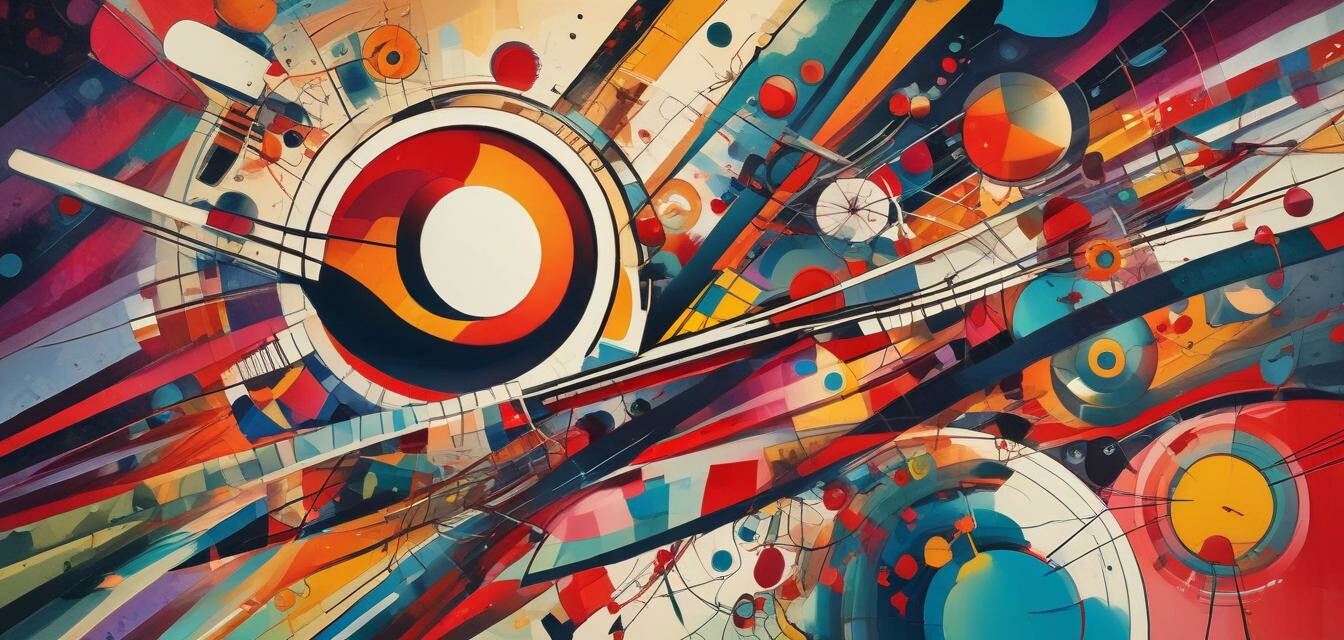
Kandinsky and Abstract Art: Creating with Color
Key Takeaways
- Wassily Kandinsky was a pioneer of abstract art, known for his vibrant use of color.
- Color can evoke emotions and moods, influencing the viewer's experience.
- Contemporary artists can apply Kandinsky's theories to enhance their work.
- The balance of color combinations is crucial in creating impactful artwork.
Wassily Kandinsky remains a towering figure in the world of art, particularly in the realm of abstract art. His innovative use of color and form revolutionized the way emotions are expressed on canvas. In this article, we will analyze Kandinsky's approach to color, explore its applications in contemporary artistic practices, and provide guidance for aspiring artists looking to evoke emotion through their own color choices.
Kandinsky's Use of Color
Kandinsky believed that color had its own emotional language. He associated specific colors with particular feelings or concepts, allowing them to transcend mere visual representation. Understanding Kandinsky's color theory can give contemporary artists valuable insights into their own practices.
Emotional Associations with Color
Here's a breakdown of some colors and their emotional associations as interpreted by Kandinsky:
| Color | Emotional Association |
|---|---|
| Blue | Calmness, spirituality |
| Yellow | Joy, warmth |
| Red | Passion, intensity |
| Green | Balance, harmony |
| Black | Mystery, depth |
Color Theory in Kandinsky's Work
Kandinsky's exploration of color extended beyond traditional palettes. He implemented the following approaches to reinforce the emotional impact of his paintings:
- Complementary Colors: Using colors opposite each other on the color wheel to create vibrant contrasts.
- Analogous Colors: Choosing colors next to each other on the wheel for harmony.
- Intensity and Saturation: Manipulating the brightness of colors to evoke varying degrees of response.
- Color Blocking: Using blocks of solid colors to express geometric abstraction that channels emotion.
Applications in Contemporary Artistic Practices
Today, artists can learn much from Kandinsky's approach to color and how it can affect composition and viewer experience. Here are some ways that these principles can be applied:
Tips for Using Color in Your Art
- Experiment with color pairings:
- Try using vibrant complementary colors to make certain elements pop.
- Use analogous colors to create soothing compositions.
- Decide what feelings you want to convey and choose your palette accordingly.
- Think about how different colors interact with each other and their collective impact on the viewer.
- Take inspiration from non-representational forms and see how color can play a key role.
The Legacy of Kandinsky
Wassily Kandinsky's influence endures in the art world, as both established and emerging artists draw inspiration from his theories. He encouraged artists to explore their feelings through color, making the viewer's emotional response the ultimate goal of art.
Exploring More on Kandinsky
If you're interested in delving deeper into Kandinsky's artistic journey, consider exploring our dedicated resources:
 Artistic Inspiration
PICANOVA – Wassily Kandinsky – Yellow Red Blue 40x30 in
A stunning canvas print capturing the vibrant spirit of Wassily Kandinsky’s work, perfect for enriching any modern decor.
Learn MoreConclusion
Wassily Kandinsky's innovative approach to color not only changed the face of abstract art but also paved the way for contemporary artists to explore and express emotions through their work. By embracing his principles and understanding the emotional weight of color, aspiring artists can enhance their creations and connect more deeply with their audience. Experimentation, understanding, and emotional intention are keys to unlocking the full potential of color in your art.