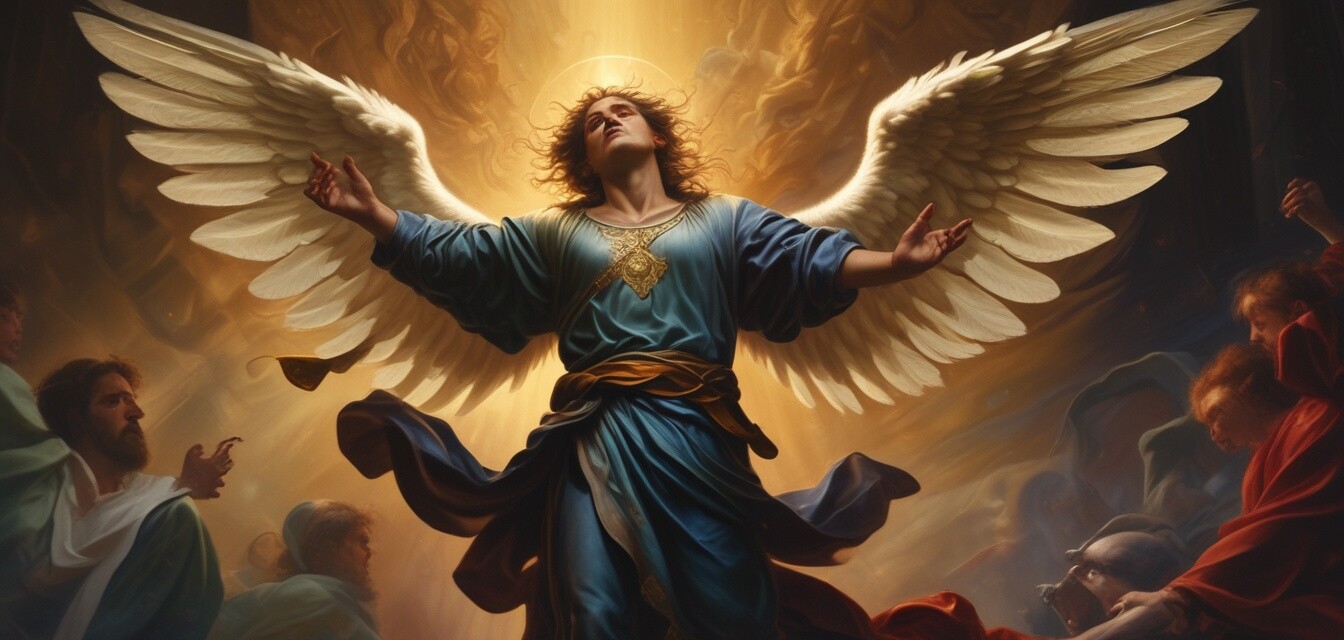
The Intersection of Faith and Art in Caravaggio's Works
Key Takeaways
- Caravaggio uniquely blended faith and realism in his artworks.
- His use of chiaroscuro emphasized emotional depth.
- Modern artists can learn from his approach to integrating personal beliefs into art.
- Faith-based themes remain relevant in today’s artistic expression.
When speaking about the great masters of art, few have been as impactful and singular in their style as Caravaggio. His works not only display incredible technical skill but also convey profound religious themes. In this article, we explore how his intersection of faith and artistic expression can inspire both contemporary artists and aficionados alike.
Caravaggio's Artistic Approach
Caravaggio, born Michelangelo Merisi, emerged in the late 16th century, challenging both the formalism of Renaissance art and the emerging Baroque style. Known for his intense realism, he infused his works with dramatic lighting and emotive expressions. Here are a few key characteristics that define his style:
- Chiaroscuro: The contrast between light and dark enhances depth and drama.
- Realism: Subjects reflect genuine human emotions rather than idealized forms.
- Religious Narratives: He often depicted biblical scenes, portraying saints and divine occurrences with an everyday human touch.
Religious Themes in Caravaggio's Works
Many of Caravaggio's masterpieces focus on Christian stories, reflecting his own complex relationship with faith. His approach was revolutionary in that he made religious figures accessible and relatable. Some notable works include:
| Artwork | Description | Link |
|---|---|---|
| The Calling of Saint Matthew | Depicts the moment when Jesus calls Matthew to follow him, embodying the theme of redemption. | Explore more about Caravaggio |
| The Supper at Emmaus | Illustrates the revelation of Jesus to his disciples, showcasing both wonder and understanding. | Learn about the symbolism in his works |
| The Crucifixion of Saint Peter | Captures the intense moment of Saint Peter's crucifixion, emphasizing sacrifice and faith. | Discover the context behind this artwork |
How Modern Artists Can Draw Inspiration from Caravaggio
Today's artists can look back at Caravaggio's work not just as historical pieces, but as sources of creative inspiration. Here’s how:
- Emphasizing Emotion: Just like Caravaggio’s work, infuse your canvases with genuine emotions.
- Integrate Personal Beliefs: Don’t shy away from expressing your values through art.
- Experiment with Light: Use light to create mood and focus within the artwork.
- Incorporate Real-Life Context: Blend historical and contemporary issues within your art.
Featured Work: The Calling of Saint Matthew
 Timeless Masterpiece
ARTCANVAS The Calling of Saint Matthew 1600 Canvas Art Print
This hand-crafted canvas art print captures the defining moment of faith in Caravaggio's masterpiece, designed to elevate your space with its vibrant details.
Learn MoreFurthermore, What Can We Learn?
The power of Caravaggio's works lies in the way he combines artistic skill with a deep sense of spirituality. As viewers, we can learn to appreciate the subtleties in his compositions and how they relate to human experience. Here are some takeaways:
Tips for Modern Artists
- Study the interplay of light and shadow.
- Explore religious or moral themes within your work.
- Focus on emotional impact rather than mere aesthetics.
The Legacy of Caravaggio
Caravaggio's influence extends beyond his lifetime, inspiring countless artists and art movements. His technique of combining artistic realism with profound themes remains relevant. By understanding his work, artists of today can continue to draw inspiration from his unique vision and apply it in today's context.
Conclusion
In conclusion, the intersection of faith and art in Caravaggio's works offers a rich tapestry for exploration. Modern artists can gain valuable insights by studying his techniques and themes. Embrace the emotional depth and personal conviction that Caravaggio exemplified—your artworks may resonate more deeply than you ever thought possible.