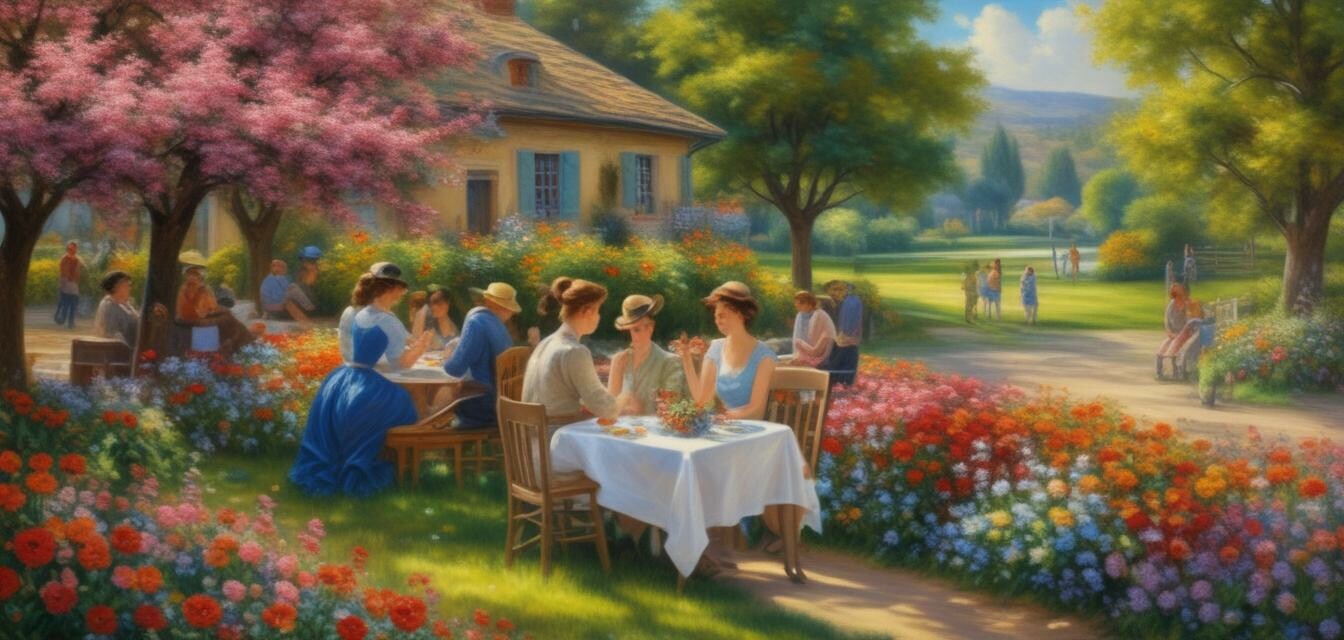
Get to know Renoir: Key elements of his style
Key Takeaways
- The essence of Renoir's style is characterized by vibrant color, fluid brushstrokes, and a focus on sunlight.
- Renoir's subjects often included dancers, lovers, and outdoor scenes, showcasing a joyful appreciation of life.
- To incorporate Renoir's techniques, focus on harmonious color palettes and capturing the light in your own artwork.
- Consider exploring other Impressionist painters to further understand and appreciate Renoir's impact on art.
Pierre-Auguste Renoir was a pivotal figure in the Impressionist movement, known for his unique style that celebrated everyday life through vibrant colors and dynamic brushwork. In this article, we will unpack the signature elements of Renoir's painting style and offer tips on how you can apply these techniques in your own artwork.
1. The use of color
Renoir's mastery of color is one of his most defining attributes. He often used a technique called optical mixing, which means he placed colors side by side instead of mixing them on the palette. This created a vibrant effect that brought his scenes to life. Below is a breakdown of his color palette:
| Color Group | Characteristics | Examples |
|---|---|---|
| Warm Colors | Conveys energy and vibrancy | Reds, oranges, yellows |
| Cool Colors | Creates tranquility and balance | Blues, greens, purples |
| Neutral Colors | Provides depth and grounding | Grays, browns, whites |
2. Fluid brushstrokes
Renoir's brushwork is another hallmark of his style, typically described as loose and lively. He often applied paint quickly and directly to the canvas, creating a sense of movement and urgency. Consider the following tips to develop your own loose brushwork:
Tips for Loose Brushwork
- Experiment with different brush sizes to create varying textures.
- Practice applying paint without overthinking – let your first instinct guide you.
- Use a palette knife or finger painting to explore new techniques.
3. Capturing light
Light played a crucial role in Renoir's paintings, where it not only illuminated figures but also infused the artwork with emotion. He often painted outdoors to study how natural light transformed the scene. To capture light in your own work, consider:
- Utilizing a limited color palette to focus more on the light effects.
- Paying attention to the time of day and its unique lighting conditions.
- Experimenting with different painting techniques, such as glazing.
4. Themes and subjects
Renoir's art mainly revolved around themes of love, leisure, and social connections. His subjects often included:
| Subject Type | Characteristics |
|---|---|
| Figures | Often portrayed in soft poses and intimate settings. |
| Children | Captured with spontaneity and joy. |
| Outdoor Scenes | Highlighting the beauty of nature and social gatherings. |
To better understand Renoir's emphasis on figurative subjects, explore other influential artists in the Impressionist movement. For instance, Claude Monet also focused on light and atmosphere, while Pablo Picasso took a more abstract approach.
5. Techniques to practice
Incorporating Renoir's techniques into your own artwork can be a fulfilling experience. Here are some methods to explore:
- Join a local art class to practice painting en plein air (outdoors).
- Study Renoir's color compositions and create a palette inspired by his work.
- Challenge yourself to depict daily life or joyful moments in your paintings.
Pros of Renoir's style
- Allows for a joyful expression through color and subject matter.
- Encourages experimentation with brushwork techniques.
- Enhances understanding of light in painting.
Cons of Renoir's style
- May require significant practice to master loose brushwork.
- Capturing light and color accurately can be challenging.
Conclusion
Renoir's vibrant style continues to resonate and inspire artists today. By embracing his techniques and understanding his subjects, you can cultivate your artistic expression and develop a deeper appreciation for the Impressionist movement. Looking for more insights? Check out our other articles in the Art Education category.