The Genesis of the Great Wave: Hokusai's Techniques
Key Takeaways
- Katsushika Hokusai's "Great Wave of Kanagawa" is a landmark in Japanese art, representing both technique and emotional depth.
- Understanding Hokusai's use of color, composition, and line can inspire modern artists.
- This article breaks down Hokusai's techniques, which can be applied by contemporary artists to create impactful visuals.
- Explore how his multi-faceted inspirations shaped his iconic works.
Introduction
Katsushika Hokusai's "Great Wave of Kanagawa" is not just famous for its striking imagery; it's a study in technique and emotion. In this article, we will explore the processes and artistic choices Hokusai made while creating this masterpiece, along with how today's artists can draw from his methods to produce powerful images.
The Inspiration Behind Hokusai's Great Wave
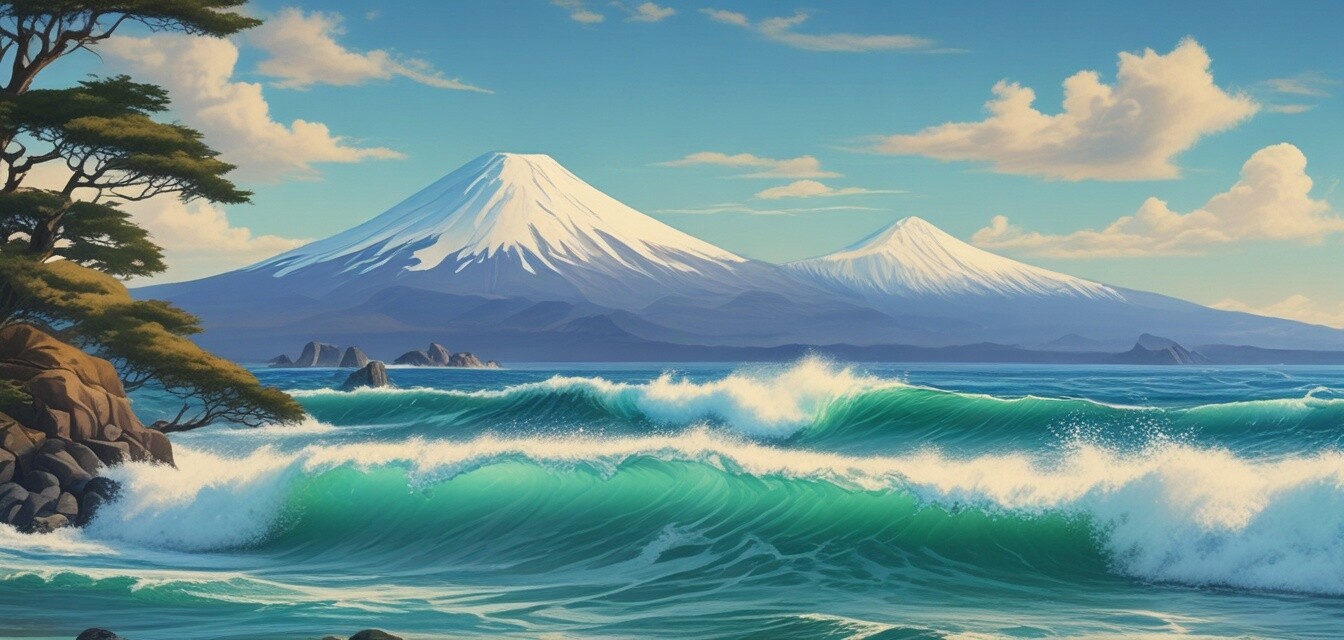
"Great Wave of Kanagawa," part of Hokusai's series "Thirty-Six Views of Mount Fuji," was inspired by the beauty and power of the ocean, which he observed throughout his life. The waves represent not only nature's strength but also the transient nature of life—a theme prevalent in Japanese art.
The Setting and Its Significance
The backdrop of Mount Fuji adds a significant layer of meaning, embodying the permanence in contrast to the fleeting force of the waves. Hokusai's ability to juxtapose these elements makes his artwork timeless.
Techniques Used by Hokusai
Let’s take a closer look at the specific techniques Hokusai utilized in "Great Wave of Kanagawa" that contribute to its emotional depth and visual mastery:
| Technique | Description |
|---|---|
| Color Usage | Hokusai employed vibrant blues and whites to create contrast between the ocean and sky, invoking a sense of drama. |
| Composition | The use of diagonal lines enhances the feeling of motion, drawing the eye into the waves and towards Mount Fuji. |
| Line Work | His precise and fluid line work captures the essence of water, making the waves appear lifelike. |
| Printmaking Technique | The woodblock printing process allowed for meticulous detail and color layering, resulting in a rich texture. |
Color Usage in Detail
Colors play a pivotal role in this artwork. Hokusai often used indigo pigment, which was a relatively new color at the time, through the complex method of "benizuri-e" (colored woodblock printing). This technique allowed for a broader range of colors and created striking contrasts.
How Modern Artists Can Apply Hokusai's Techniques
Understanding Hokusai's methods can greatly benefit contemporary artists. Here are some ways to implement his techniques in your own work:
Tips for Modern Artists
- Experiment with color layering to achieve depth.
- Utilize diagonal compositions to create dynamic movement in your artworks.
- Study the nuances of line to refine your rendering of natural elements.
- Incorporate cultural and historical themes into your work to evoke deeper meanings.
Product Spotlight: Great Wave of Kanagawa Artwork
For those inspired by Hokusai's techniques, consider enhancing your space with a piece inspired by "Great Wave of Kanagawa." This product embodies his style and vibrancy:
 Stunning Wall Art
Wieco Art Great Wave of Kanagawa
A large modern stretched and framed sea artwork, bringing Hokusai's iconic waves to your wall for stunning home decoration.
Learn MoreConclusion
Katsushika Hokusai's "Great Wave of Kanagawa" is a testament to his skill and innovative spirit. By analyzing his techniques, modern artists can find inspiration and apply these strategies to enhance their own artistic expressions. Whether exploring through painting, printmaking, or digital media, the essence of Hokusai's mastery can live on in contemporary art.
Further Resources
To delve deeper into Hokusai's world and improve your understanding of famous painters and their techniques, check out our resource on Leonardo da Vinci or our article on Michelangelo. You may also find insights on Pablo Picasso and Monet's techniques beneficial to your artistic journey.