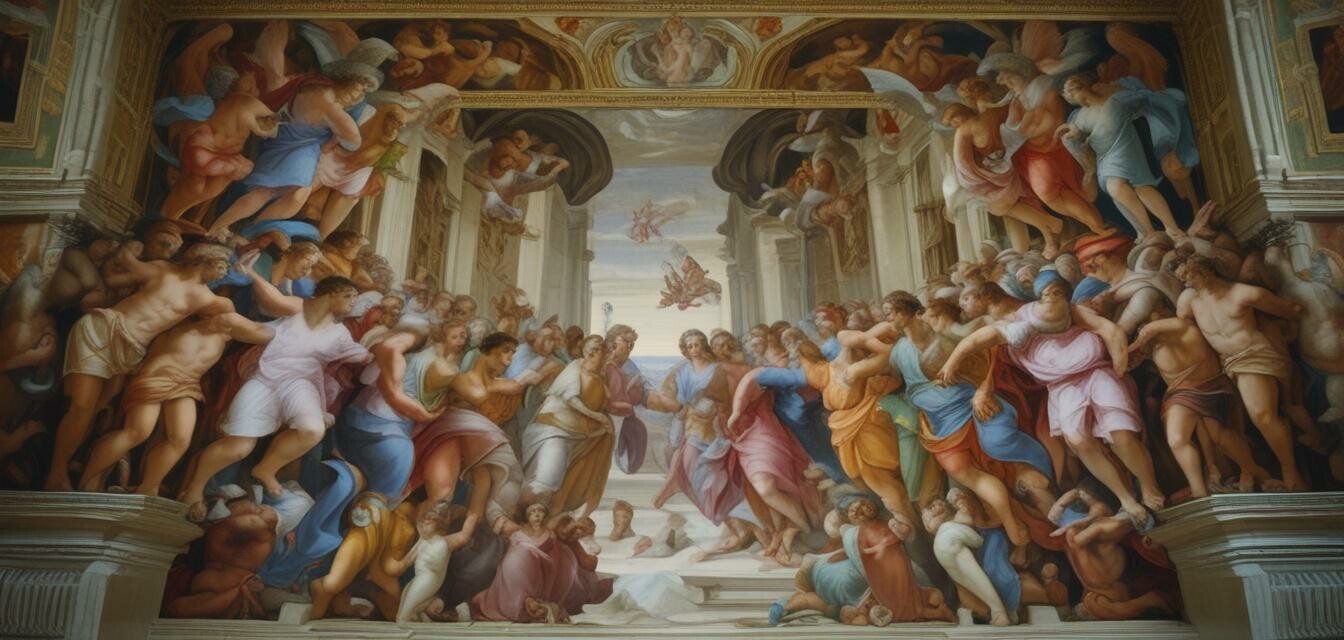
Exploring the Techniques of Raphael
Key Takeaways
- Raphael was known for his exceptional use of color and composition.
- His techniques were pivotal in transitioning from medieval to Renaissance art.
- Understanding Raphael’s methods can greatly benefit aspiring artists.
Raphael, one of the most celebrated artists of the Renaissance, is renowned for his extraordinary techniques that have influenced generations of painters. In this article, we will delve into Raphael's artistic methods, examining how they shaped Renaissance art and continue to provide inspiration for modern artists. Let's unfold the genius behind one of the most revered names in art history.
Raphael’s Artistic Techniques
Raphael's approach to art was a harmonious blend of different elements, ranging from his masterful use of color to his innovative use of perspective. Here’s a closer look at some distinctive techniques:
- Use of Color: Raphael had a unique ability to use color to evoke emotion and depth in his work. His palettes often consisted of vibrant yet balanced hues that complemented each other beautifully.
- Composition: His compositions often include a triangular layout, which enhances the stability and harmony of the artwork.
- Perspective: Raphael mastered linear perspective, which he used to create a sense of depth in his paintings.
- Human Emotion: Raphael was exceptional at capturing human emotions that made his characters relatable and realistic.
Influence of Raphael on Renaissance Art
Raphael's techniques didn't just contribute to his own masterpieces, but they also had a significant impact on his contemporaries and future generations of artists. As a leading figure of the High Renaissance, he embodied the ideal balance of form, emotion, and spirituality in art.
| Technique | Description | Impact on Art |
|---|---|---|
| Use of Light | Employing chiaroscuro to emphasize three-dimensionality. | Set a standard for realistic representations in painting. |
| Innovative Compositions | Clever arrangements of figures to guide viewer's eyes. | Influenced the narrative aspect of art making. |
| Emotional Expressions | Capturing genuine human feelings. | Encouraged personal connection in art. |
Raphael's Legacy in Contemporary Art
Even today, Raphael’s influence can be noted across various artistic movements. Artists continue to study his techniques to understand the fundamentals of painting and to develop their styles. His ability to combine classical inspirations with innovative ideas remains a benchmark for modern painters.
Featured Artwork: Sistine Chapel Madonna
 High-quality canvas print
Wall26 Canvas Print Wall Art Sistine Chapel Madonna
This stunning artwork is stretched on durable canvas, enhancing your living space with its magnificent visual appeal and historical significance.
Explore NowLearning from Raphael's Techniques
Tips for Aspiring Artists
- Study Raphael's color palette and try to replicate it in your work.
- Practice creating balanced compositions by using the triangular arrangement.
- Experiment with different perspectives to create depth.
- Focus on capturing genuine emotions in your subjects.
- Visit museums and galleries to study Raphael’s work in person.
Conclusion
Raphael’s legacy is an enduring testament to the power of technique and innovation in art. His approaches have paved the way for countless artists, inspiring them to explore their creativity while respecting the fundamentals of artistry. By understanding and applying Raphael's techniques, aspiring painters can not only honor his work but also evolve their own artistic journeys.
For more information on famous artists and their influential works, explore more on our Art Education section.