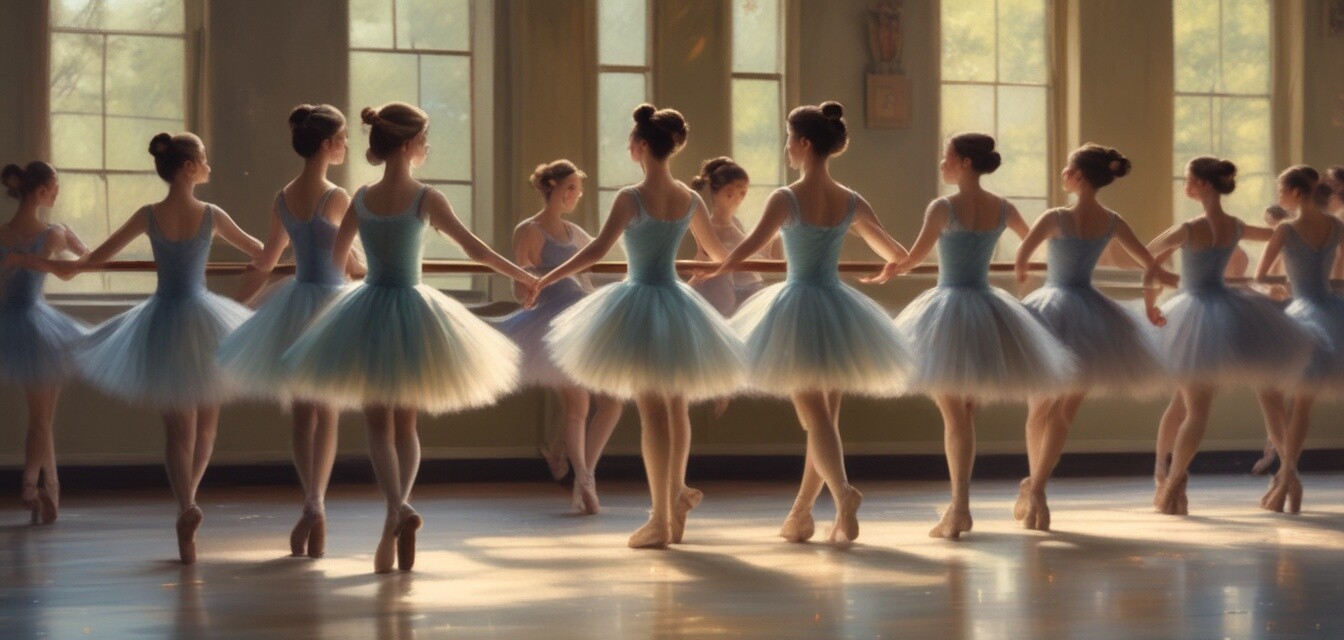
Exploring Degas's Legacy: Dance and Modern Movement
Key Takeaways
- Edgar Degas was a pioneering artist known for his unique portrayal of dancers and movement.
- His techniques influence modern representations of movement in art today.
- Degas utilized pastel colors and dynamic compositions to capture the essence of dance.
- Understanding Degas's work offers valuable insights for contemporary artists.
Edgar Degas is celebrated for his remarkable ability to capture the grace and dynamism of movement, particularly in his depictions of ballet dancers. His work not only provides a glimpse into the world of dance but also serves as inspiration for modern artists looking to depict movement in their own unique styles. This article delves into how Degas’s legacy continues to influence contemporary artistic expressions of movement and offers insights into his techniques.
Who was Edgar Degas?
Born in 1834 in Paris, Edgar Degas was a key figure in the Impressionist movement, although he preferred to be called a realist. His interest in ballet is well documented, with a substantial body of work focusing on dancers. Through his innovative use of color, form, and perspective, Degas created a visual language that effectively conveys motion and emotion.
The Dance Class: A Timeless Masterpiece
One of Degas's most famous pieces is "The Dance Class," capturing the moment dancers are instructed by their teacher. This painting, like many of his works, is insightful in its composition and technique. To fully appreciate its impact, examining the details is essential.
 Artistic Expression
A&T ARTWORK The Dance Class by Edgar Degas
Giclee canvas print that showcases the elegance and movement of dancers, perfect for home decor.
Learn MoreDegas's Techniques in Depicting Movement
Degas’s mastery was not just in choosing subjects but also in his unique approach to movement and form. Here are some notable techniques he employed:
| Technique | Description |
|---|---|
| Pastel Use | Degas often used pastels to achieve vibrant colors that give life and movement to his paintings. |
| Unconventional Angles | His choice of unusual angles and perspectives adds depth and dynamism to his compositions. |
| Movement Capture | Degas captured fleeting moments, making his subjects feel alive and in motion. |
| Character and Emotion | His ability to convey emotion through posture and facial expressions enhances the narrative within each piece. |
Impact on Modern Art
Degas's influence on contemporary art is profound. Many artists draw inspiration from his methods and themes. His exploration of movement resonates with modern artistic practices, leading to fresh interpretations in various mediums, including photography, sculpture, and digital art.
- Modern artists often mimic Degas's use of light and shadow to create depth.
- His approach to motion can be seen in contemporary ballet photography, where the aim is to freeze the grace of dancers in time.
- Degas's works inspire animation and digital media to capture fluid movement.
Understanding Movement in Art Today
For artists today, understanding Degas's techniques allows them to explore movement within their own frameworks. Whether through painting, digital design, or dance photography, the essence lies in interpreting motion in personal styles. Degas's legacy lives on in this continuous exploration.
Conclusion
Edgar Degas's artistic legacy endures, as his innovative techniques in portraying dancers continue to inform contemporary interpretations of movement. By studying his work, current artists can gain insights that not only enhance their understanding of art but also innovate within their practices. As we look toward the future, the principles established by Degas remain relevant and deeply influential.
Tips for Artists Inspired by Degas
- Experiment with pastels and different perspectives to capture movement.
- Observe live dance performances to create real-time sketches.
- Focus on the emotions portrayed in movement to enhance narrative in your art.
- Study Degas's works for inspiration on technique and composition.
- Practice capturing moments in motion through photography or video.
Pros
- Visually captivating techniques that inspire movement.
- Rich historical context and emotional depth.
- Offers numerous interpretations for artists and viewers alike.
Cons
- Can be challenging for beginners to emulate effectively.
- Requires practice to capture the fluidity of movement.