Exploring the Color Theory in Matisse’s Works
Delve into Henri Matisse’s use of color in his art, including practical applications for modern artists looking to understand color theory.
Key Takeaways
- Matisse's color choices often reflect emotion and depth.
- Understanding color theory can enhance artistic expression.
- By exploring complementary and analogous colors, artists can create vibrant works.
- Matisse’s innovative techniques continue to influence modern artists today.
Introduction to Henri Matisse and His Color Philosophy
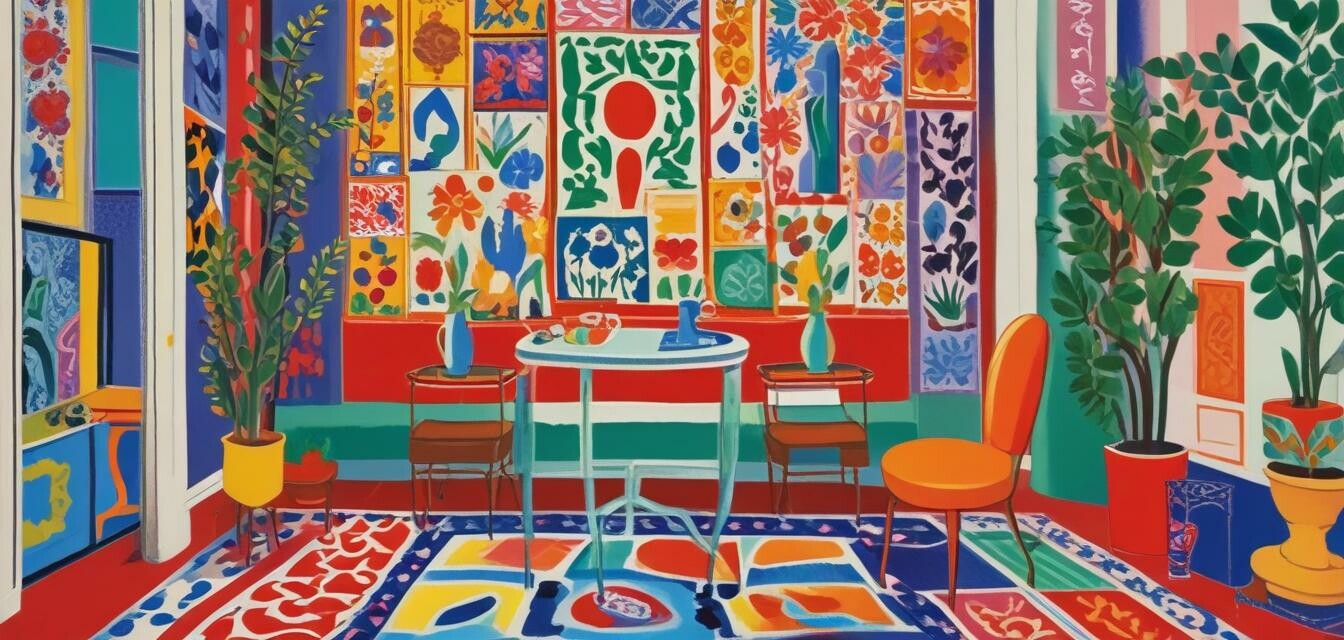
Henri Matisse was a key figure in the Fauvism movement, known for his bold use of color and emotional expression. Color was not just a medium for Matisse; it was the very foundation of his artistic communication. His works are a riot of color that engage the viewer and evoke feelings. In this article, we will explore Matisse's color theory, its principles, and how they can be applied by contemporary artists.
The Importance of Color Theory in Art
Color theory is a crucial aspect of art that involves understanding how colors interact with each other and how they can be used to create various effects. For artists, a solid grasp of color theory can lead to more impactful artwork. Here are some fundamental concepts in color theory:
- Primary Colors: Red, blue, and yellow are the building blocks of color.
- Secondary Colors: Green, orange, and purple are created by mixing primary colors.
- Complementary Colors: Colors opposite each other on the color wheel that enhance each other when used together.
- Analogous Colors: Colors that are next to each other on the color wheel, providing harmony in art.
Matisse’s Use of Color
Color as Emotion
Matisse believed color could convey emotion. His choice of vivid color palettes often expressed feelings and atmospheres, pushing the limits of traditional art. For instance, his use of bright yellows might evoke happiness, while deep blues can suggest calm or melancholy.
Key Techniques Used by Matisse
Below are some of the techniques Matisse employed in his art to manipulate color:
| Technique | Description |
|---|---|
| Color Blocking | Using large swaths of solid color to create areas of focus and mood. |
| Pattern Use | Applying patterns in vibrant colors to create dynamic compositions. |
| Contrast | Utilizing stark contrasts between warm and cool colors to guide the viewer’s eye. |
| Emotional Color Choices | Deliberately selecting colors based on the emotions they evoke rather than their realistic representation. |
Practical Applications for Modern Artists
Understanding Matisse’s approach to color can significantly enhance your own artworks. Here are some practical tips for integrating his color theory into your practice:
Tips for Artists
- Experiment with color blocking in your compositions.
- Choose a palette based on the emotions you wish to convey.
- Utilize contrasting colors to create interest in your pieces.
- Study different patterns and how they can influence visual perception.
- Visit local art museums to observe Matisse’s works in person for inspiration.
Conclusion
Henri Matisse's groundbreaking approach to color has left a lasting influence on the art world. Through his innovative use of color theory, artists can learn not only to express themselves but also to connect with viewers on a deeper emotional level. By applying Matisse's techniques, modern artists can explore new dimensions of creativity.
For more insights on notable painters, visit our Art Education category to expand your understanding of artistic movements and techniques.
Pros
- Deepens understanding of art through color
- Enhances emotional connection in artworks
- Encourages innovative techniques in modern art practice
Cons
- Might be subjective and vary by individual interpretation
- Can lead to overwhelming choices for beginners
Further Reading
For a deeper dive into the art world and color theory, check out these related articles: