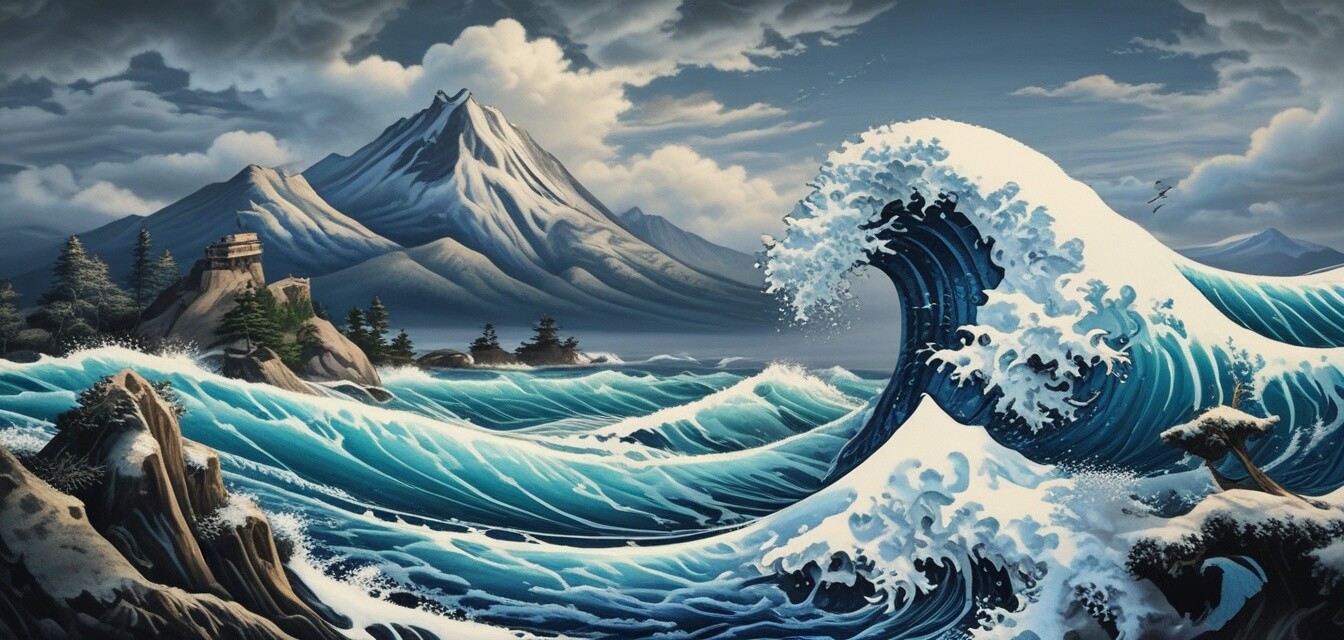
The evolution of Japanese art through Hokusai's works
Key Takeaways
- Hokusai's art transformed the perception of Japanese art in the global community.
- His techniques blended traditional Japanese art with Western influences.
- Hokusai's masterpieces, such as “The Great Wave of Kanagawa,” remain timeless and influential.
- The evolution of his artistic style reflects broader changes in Japanese society.
- Understanding Hokusai aids in comprehending the historical context of Japanese art.
The rich tapestry of Japanese art has been shaped by numerous artists throughout history, with Katsushika Hokusai famously positioned as one of its most influential figures. This article delves into the evolution of Japanese art through Hokusai's remarkable works, emphasizing the various influences that permeated his style and the subsequent global impact that arose from his masterpieces.
Hokusai: A Brief Overview
Katsushika Hokusai (1760 - 1849) was a Japanese ukiyo-e painter and printmaker during the Edo period. He is best known for his stunning woodblock prints, paintings, and illustrated books. His works reflect a deep understanding of nature and an innovative approach that merged traditional Japanese art with Western perspectives.
The Great Wave of Kanagawa: An Iconic Masterpiece
Among Hokusai's vast body of work, “The Great Wave of Kanagawa” stands out as a pinnacle of Japanese art. This iconic print not only captures the awe-inspiring power of nature but also represents the culmination of Hokusai's artistic evolution.
 Top Choice
Wieco Art Great Wave of Kanagawa
High definition giclee canvas print of Hokusai's masterpiece, perfect for home decoration and a great gift idea.
Learn MoreTechniques and Influences Shaping Hokusai's Work
Hokusai’s art was profoundly influenced by a blend of traditional Japanese aesthetics and new techniques adopted from Western art. Below are some key techniques and influences that defined his style:
| Technique/Influence | Description |
|---|---|
| Ukiyo-e | A genre of Japanese art that flourished from the 17th through 19th centuries, focused on landscapes, theatre, and beauty. |
| Perspective | Hokusai utilized Western linear perspective to create depth in his compositions. |
| Color and Line | Employing vibrant colors and bold lines, Hokusai was able to evoke emotion and movement in his works. |
| Nature | Nature served as the central theme, portraying both its beauty and ferocity, which can be vividly seen in his wave compositions. |
The Global Impact of Hokusai’s Art
Hokusai's art did not remain confined to Japan; his influence reached far beyond, inspiring artists across the globe. The Ukiyo-e style, particularly through Hokusai’s works, had a significant influence on various Western art movements, such as Impressionism, and remains evident in contemporary art.
Understanding the Cultural Context
To fully appreciate Hokusai's contributions, one must understand the cultural context of his time. The Edo period in Japan was marked by urban expansion, economic growth, and the flourishing of a merchant class that supported the arts. Hokusai's ability to capture the essence of Japanese culture while integrating external influences is what makes his work so exceptional.
Connections with Other Artists
Hokusai was not alone in his endeavor. Many other Japanese artists flourished during this time, sharing and exchanging ideas that shaped the evolution of Japanese art. Artists such as Hiroshige and Utamaro also played crucial roles in advancing the visual narrative of this artistic period.
Conclusion
Hokusai's works serve as a lens through which we can observe the evolution of Japanese art. The interplay of traditional aesthetics with innovative techniques created a legacy that continues to influence artists worldwide. As you explore further into Hokusai’s masterpieces, you gain an insightful glimpse into Japan's cultural and historical landscape.
Tips for Appreciating Hokusai's Art
- Visit exhibitions that showcase Hokusai's work, when possible.
- Collect art books that focus on Japanese art and Hokusai’s techniques.
- Try creating your own art inspired by Hokusai’s use of nature.
- Explore other artists from the Edo period to see Hokusai's influence in context.
- Engage with online communities dedicated to discussing Japanese art.
Related Resources
To deepen your knowledge about other prominent artists and their contributions to Japanese art, be sure to explore our in-depth articles on: