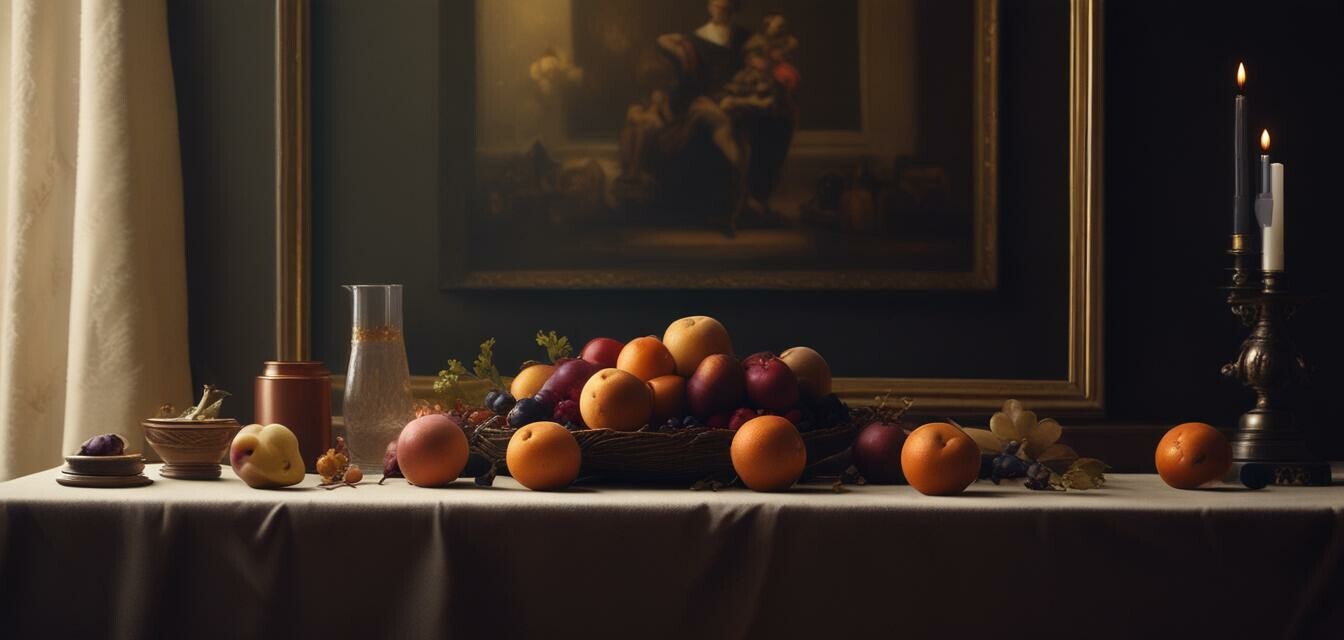
Emulating the Style of Rembrandt: Techniques and Tips
Key Takeaways
- Understand the use of chiaroscuro to create depth.
- Focus on color palettes that reflect Rembrandt's warmth.
- Experiment with texture to replicate the feel of oil paint.
- Apply layers and glazing for a luminous finish.
- Study Rembrandt’s compositions and subject choices.
When it comes to mastering the art of painting, few artists have left as profound an impact on the world as Rembrandt van Rijn. Known for his unique ability to manipulate light and shadow, Rembrandt’s works evoke a sense of depth and emotion that resonates with viewers across generations. If you're an artist seeking to emulate his style, this guide will provide you with key techniques and tips to explore his iconic techniques.
Understanding Chiaroscuro
Chiaroscuro is a technique that utilizes bold contrasts between light and dark to create a three-dimensional effect. This method is fundamental in Rembrandt’s work, as it not only enhances the volume of objects but also draws attention to focal points within the composition.
Key Steps for Using Chiaroscuro
- Choose a strong light source to create dramatic shadows.
- Begin with a tonal underpainting to map out light and dark areas.
- Build layers, gradually adding lighter tones to illuminate the subject.
- Blend edges softly to create smooth transitions between light and dark.
Color Palettes Inspired by Rembrandt
Rembrandt often used rich, warm colors that reflected the natural world. His palette included earthy tones like ochres, umbers, and siennas, complemented by deep reds and vivid highlights. These colors not only bring warmth but also enhance the feeling of depth in his paintings.
Recommended Color Palette
| Color | Hex Code |
|---|---|
| Raw Umber | #8B5A2B |
| Cadmium Red | #E03C31 |
| Yellow Ochre | #E6B800 |
| Burnt Sienna | #B05227 |
| Titanium White | #FFFFFF |
Texture and Brushwork
One of the most distinctive features of Rembrandt's paintings is his unique brushwork. He created texture through thick applications of paint, known as impasto, which adds physical depth to the artwork. To emulate this, consider the following:
Techniques for Texture
- Use a palette knife to apply paint, which will give a raised texture.
- Experiment with various brushes to create different effects.
- Layer paint thickly to achieve a sculptural quality.
- Allow some underlying layers to show through for increased depth.
Layering and Glazing Techniques
Rembrandt was known for glazing techniques that added luminosity to his works. By applying thin layers of transparent paint, artists can create a sense of light that seems to emanate from within the artwork itself.
How to Glaze Effectively
- Start with a dry painting, ensuring base layers are completely set.
- Mix transparent colors with a medium that allows for smooth application.
- Apply glazes in light layers, allowing sufficient drying time between applications.
- Monitor the effects of light on the color to achieve desired luminosity.
Study Rembrandt's Compositions
Understanding the arrangement of elements in Rembrandt’s paintings is crucial for emulating his style. He often employed strong, dynamic compositions that guide the viewer's eye through the entire piece.
Analyzing Compositions
- Observe the placement of subjects and their interactions within the frame.
- Take note of the backgrounds and how they enhance the main subject.
- Practice sketching his works to gain insight into his compositional strategies.
Required Tools and Materials
The right tools can greatly influence your ability to replicate Rembrandt's style. Here’s a list of essential materials:
- Oil paints with a focus on warm colors.
- High-quality brushes of varying sizes.
- Palette knives for texture effects.
- Canvas or wood panels for painting surfaces.
- Mediums for glazing and mixing.
Featured Product: Exclusive Canvas Art
 Masterpiece Reproduction
Rembrandt Canvas Wall Art The Philosopher in Meditation Poster
This high-quality canvas print captures the essence of Rembrandt's work, perfect for adding an artistic touch to any space.
Explore NowConclusion
Emulating the style of Rembrandt is not merely about recreating his images; it's about understanding the essence of his techniques and the emotions that his works evoke. By integrating chiaroscuro, mastering color palettes, focusing on texture, and studying his compositions, artists can draw inspiration from one of history's greatest masters. Dive into your creative journey and explore the breathtaking world of Rembrandt — the results could surprise you.
Further Reading
Continue your exploration of art techniques and history with these informative resources: