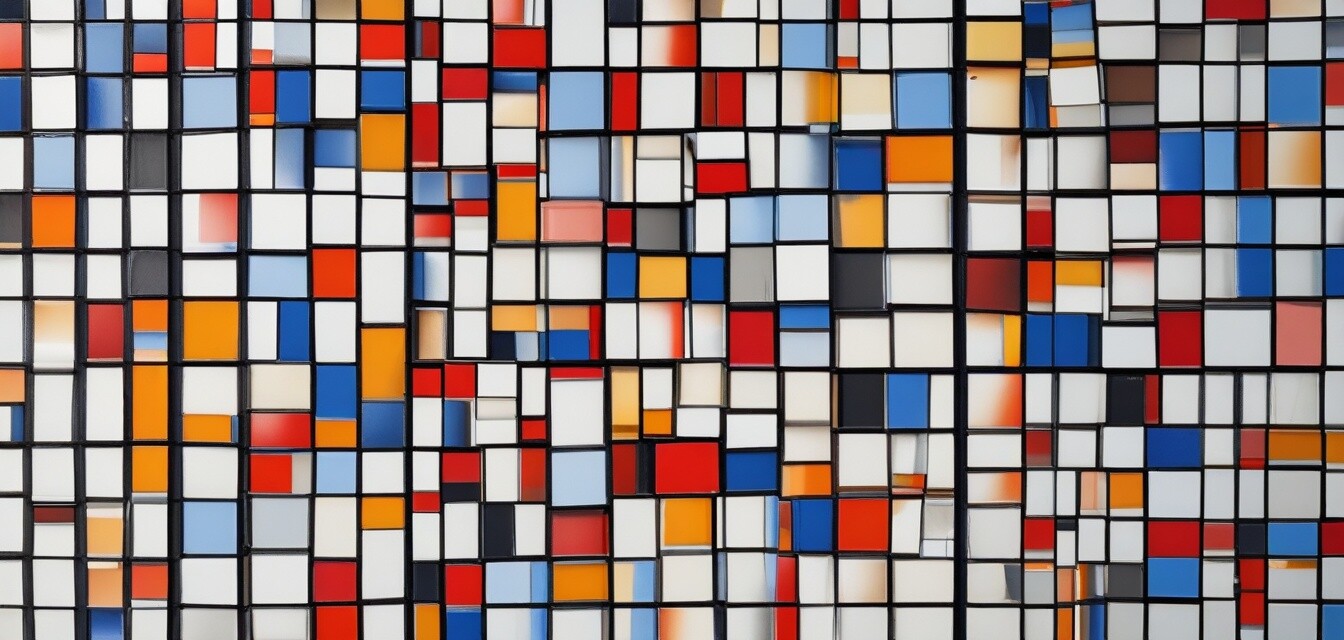
The Color Palette of Piet Mondrian
Key Takeaways
- Piet Mondrian was renowned for his use of primary colors and geometric patterns.
- His distinctive style emphasized simplicity and abstraction.
- Aspirational artists can learn from Mondrian’s techniques to create striking compositions.
- Incorporating similar color palettes can add depth and meaning to modern art.
Piet Mondrian was a revolutionary artist who played a crucial role in the development of abstract art. His work is characterized by a unique color palette that primarily relies on primary colors—red, blue, yellow—and non-colors like black and white. Understanding how Mondrian constructed his compositions and selected his colors can provide valuable insights for aspiring artists looking to evoke emotion and meaning through their work. In this article, we will explore Mondrian's color palette and discuss techniques to apply his methods in your artwork.
The Evolution of Mondrian's Color Palette
Piet Mondrian's color choices evolved significantly throughout his career, moving from the more natural landscapes of his early work to the geometric abstraction he is famous for today. Below are phases that depict this transformation:
| Period | Characteristics | Color Palette |
|---|---|---|
| Early Work (Before 1911) | Naturalistic landscapes with muted colors | Natural earth tones, greens, and browns |
| Transition (1911-1917) | Adoption of brighter colors and beginnings of abstraction | Brighter reds, blues, and yellows mixed with earth tones |
| Geometrics (1917 Onwards) | Pure abstraction and geometric forms | Primary colors, black, white, and gray |
Piet Mondrian's Signature Colors
His signature color palette included:
- Red: Symbolizes vitality and passion.
- Blue: Represents tranquility and depth.
- Yellow: Signifies optimism and brightness.
- Black: Provides structure and balance.
- White: Represents simplicity and purity.
How to Incorporate Mondrian’s Techniques in Your Art
Artists can adopt Mondrian’s techniques to create visually compelling artworks. Here are some methods to try:
Tips for Creating Your Own Mondrian-Inspired Artwork
- Choose a Limited Palette: Use primary colors and complement them with black and white for contrast.
- Focus on Geometric Shapes: Create a grid structure with squares and rectangles to organize your composition.
- Emphasize Balance: Distribute colors and shapes evenly to maintain visual interest.
- Keep it Simple: Avoid overcrowding your piece; simplicity enhances impact.
Featured Product: Artwork Inspired by Mondrian
 Artistic Expression
ARTCANVAS Composition with Red, Blue, and Yellow Canvas Art Print
This vibrant piece is hand-crafted and designed to bring a touch of Mondrian’s style into your home, perfect for art lovers looking to enhance their decor.
Explore NowThe Impact of Mondrian's Legacy on Contemporary Art
Piet Mondrian's influence extends far beyond his lifetime. His bold use of color and geometrical design has left a lasting impact on various modern art movements, including minimalism, pop art, and beyond. Artists continue to draw inspiration from his methods, integrating his techniques into their contemporary works.
Notable Artists Influenced by Mondrian
- Donald Judd: Known for his minimalist sculptures.
- Frank Stella: Explored geometric abstraction in painting.
- Ellsworth Kelly: Emphasized color fields and shapes.
Additional Resources
For those interested in deepening their understanding of Mondrian and his contributions to art, consider exploring these links:
- Learn about Pablo Picasso's contribution to modern art
- Explore the works of Johannes Vermeer
- Discover Vincent van Gogh’s techniques and styles
- Read about Michelangelo's impact on Renaissance art
- Understand Leonardo da Vinci's innovations in art
Conclusion
Piet Mondrian’s revolutionary approach to color and form has undoubtedly changed the landscape of modern art. By understanding and incorporating his palette and techniques into your own work, artists can develop their unique compositions that resonate with viewers. Remember, art is not just about aesthetics; it's about conveying emotion and making a statement through your chosen medium. Embrace the legacy of Mondrian and let his influence guide you in your artistic journey.