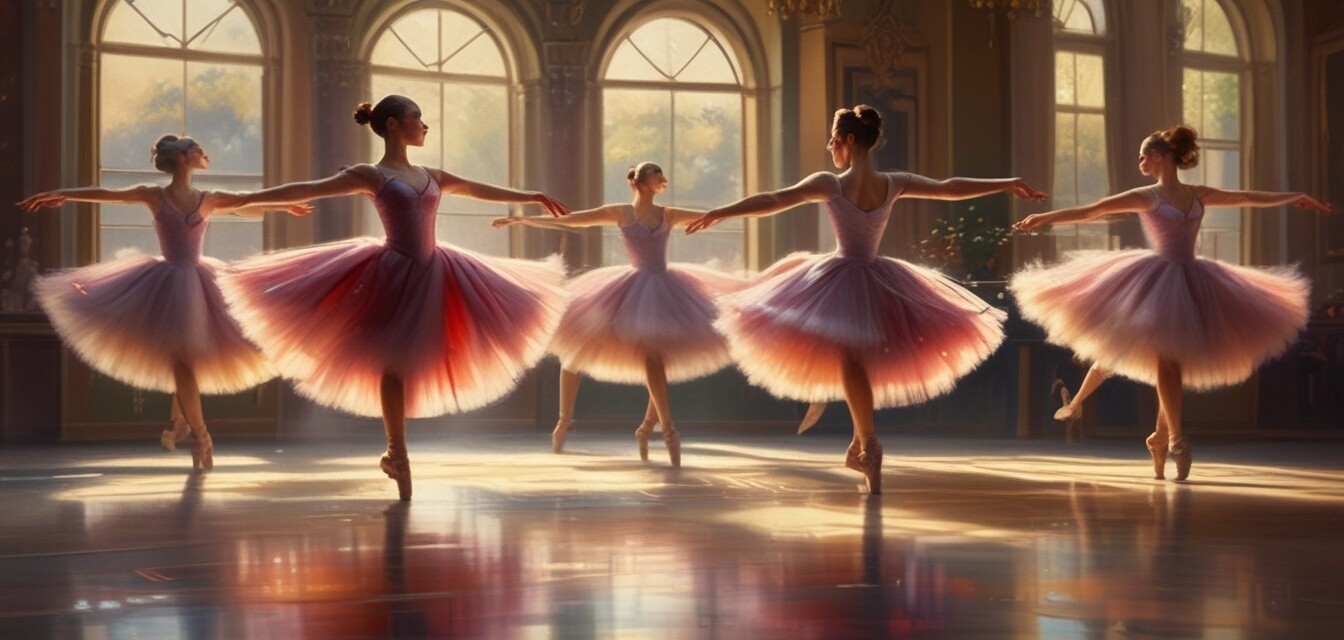
Capturing Movement: Techniques from Degas's Ballet Paintings
Key Takeaways
- Edgar Degas was a master of capturing movement in his ballet paintings.
- He utilized unique techniques such as unusual angles, cropping, and dynamic compositions.
- Degas’s works serve as valuable lessons for artists looking to portray motion.
- His methods highlight the importance of light, color, and texture in conveying movement.
- Studying movement can enhance overall artistic skills and understanding of form.
Edgar Degas, renowned for his stunning ballet paintings, has left a significant mark on the art world. His innovative approach to capturing movement is not only visually captivating but also provides practical insights for aspiring artists. In this article, we’ll explore the techniques Degas applied to his ballet works, allowing artists to enhance their skills in depicting motion.
The Essence of Movement in Degas's Art
Degas believed that capturing movement required intricacy and an understanding of the human form. His ballet paintings, such as "The Dance Class," showcase dancers in various poses, emphasizing their grace and athleticism. Here are some of the key techniques he used:
| Technique | Description |
|---|---|
| Unusual Angles | Degas often painted from unconventional perspectives, providing unique glimpses into the movement of dancers. |
| Cropping | He frequently cropped subjects, drawing attention to key details, creating a sense of energy and immediacy. |
| Dynamic Compositions | Utilizing diagonal lines and asymmetrical arrangements, he enhanced the sense of motion in his artwork. |
| Chiaroscuro | Degas adeptly played with light and shadow to create depth, emphasizing the contours of movement. |
| Color Palette | His choice of colors often evoked emotions associated with motion, contributing to the overall ambiance. |
Focusing on "The Dance Class"
A prime example of Degas's talent is "The Dance Class." In this piece, he expertly depicts a group of ballet dancers in various stages of preparation. The painting's composition, choice of colors, and representation of light not only exhibit the dancers' movements but also convey the atmosphere of a dance studio.
 Timeless artwork
A&T ARTWORK The Dance Class by Edgar Degas
This giclee canvas print captures the intricate details and colors of Degas's masterpiece, ideal for home decor.
Learn MoreLessons Artists Can Learn from Degas
Degas's techniques are valuable for any artist looking to enhance their understanding of movement. Here are some lessons to consider:
- Study Movement: Observing live dancers or athletes can provide insights into how movement occurs and varies.
- Experiment with Angles: Try painting subjects from different perspectives to capture a fresh view of motion.
- Use Color Wisely: Think about how color can evoke emotion related to movement. Choose colors that resonate with the action.
- Incorporate Light and Shadow: Practice showing motion through contrasts, as Degas did, to create depth and vibrancy.
- Practice Cropping: Experiment with cropping photos or canvases to enhance dynamic composition.
Conclusion
Edgar Degas's mastery in depicting movement in ballet paintings offers invaluable lessons for artists today. By embracing his techniques, artists can significantly enhance their ability to convey motion, bringing their subjects to life. Explore more about Degas and other artists in our Art Education category to further develop your artistic skills.
Tips for Capturing Movement
- Use gesture drawing to practice capturing motion quickly.
- Watch videos of dance performances to understand timing and rhythm.
- Experiment with animation techniques to visualize movement in a dynamic way.
- Seek feedback on your representations of motion to improve continuously.