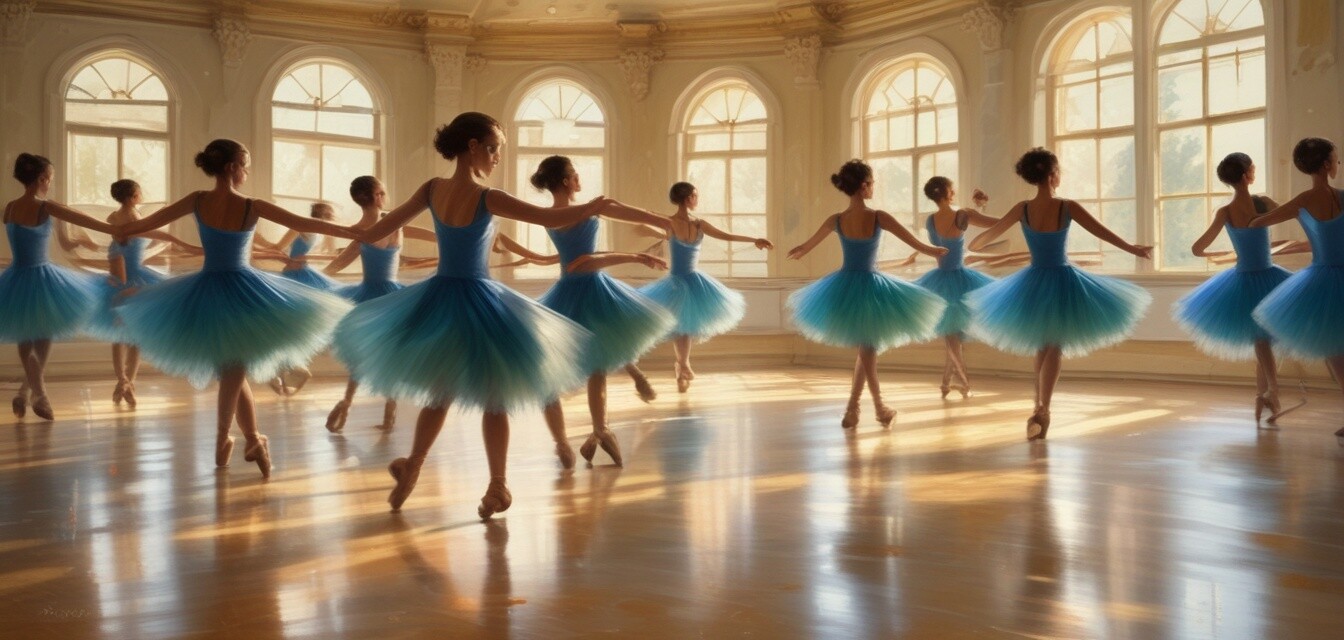
Capturing Motion: Edgar Degas and Dance
- Edgar Degas was a pioneering artist who skillfully captured the essence of movement and grace in dance.
- His techniques, including the use of color and light, contributed to a realistic portrayal of dancers.
- Degas' sculptures further illuminate his fascination with movement and pose.
- Modern artists can draw inspiration from Degas' methods to enhance their own artistic expression.
Edgar Degas, a prominent figure in the Impressionist movement, is renowned for his ability to depict the delicate balance of motion and stillness, particularly in his remarkable representations of dancers. His work reflects not only a keen observation of human anatomy and movement but also an innovative approach to composition and color. This article explores how Degas captured the fluidity of motion in dance and offers practical insights for modern artists who seek to embody similar energy in their creations.
Degas' Artistic Techniques
Edgar Degas employed various techniques that enriched his portrayals of dance. Characterized by a mastery of color, light, and composition, his paintings and sculptures provide a glimpse into the world of ballet and its intricate subtleties.
Color and Light
Degas had a unique ability to manipulate color and light, using them to evoke the emotions of movement. His palette often contained subtle pastels, which created an ethereal quality to his work. Here's a table showcasing the primary techniques Degas used:
| Technique | Description |
|---|---|
| Chiaroscuro | Using contrasts of light and shadow to highlight forms and add depth. |
| Implied Movement | Creating dynamic poses that suggest motion, allowing viewers to sense the action. |
| Color Harmony | Utilizing harmonious color combinations to create emotional intensity. |
| Asymmetrical Composition | Arranging figures in unexpected ways to create tension and interest. |
Capturing Movement in Sculpture
In addition to painting, Degas explored the medium of sculpture. His sculptures offer a three-dimensional perspective on movement, capturing dancers in a manner that reflects their physical exertion and grace. This medium not only showcases his expertise but also illustrates the rhythm and flow of dance more palpably.
Practical Insights for Modern Artists
Modern artists can learn a great deal from Degas when it comes to expressing movement and emotion in their work. Here are some tips to incorporate these principles:
Tips to Capture Motion
- Experiment with color palettes that evoke mood and dynamism.
- Utilize light and shadow to create depth and highlight movement.
- Incorporate varied perspectives and angles to suggest action.
- Practice drawing figures in motion to understand anatomy and fluidity.
- Explore sculpture to feel and replicate three-dimensional dynamics.
The Dance Class: A Masterpiece
One of Degas' iconic works, The Dance Class, exemplifies his approach to motion in art. This masterpiece depicts a dance lesson setting where the dancers are engaged in various stages of practice. The following product details highlight why this artwork can enhance any art-centric space:
 Artistic representation
A&T ARTWORK The Dance Class by Edgar Degas
Giclee canvas prints featuring high-quality details, ideal for home decor enthusiasts and art lovers. Grab this timeless reproduction to inspire creativity in your space.
Learn MoreConclusion
Edgar Degas's remarkable ability to capture the essence of dance through his innovative techniques and artistic vision continues to influence artists today. By exploring his methods for portraying movement, contemporary artists can find inspiration to enhance their own work and elevate their understanding of artistic complexity and expression.
Further Reading
For those interested in delving deeper into the world of renowned painters, check out these informative articles:
- Explore Edgar Degas' Artistic Journey
- Uncover the Mastery of Leonardo da Vinci
- Discover the Boldness of Pablo Picasso
- The Intricacies of Johannes Vermeer
- Dive into Caravaggio's Use of Light