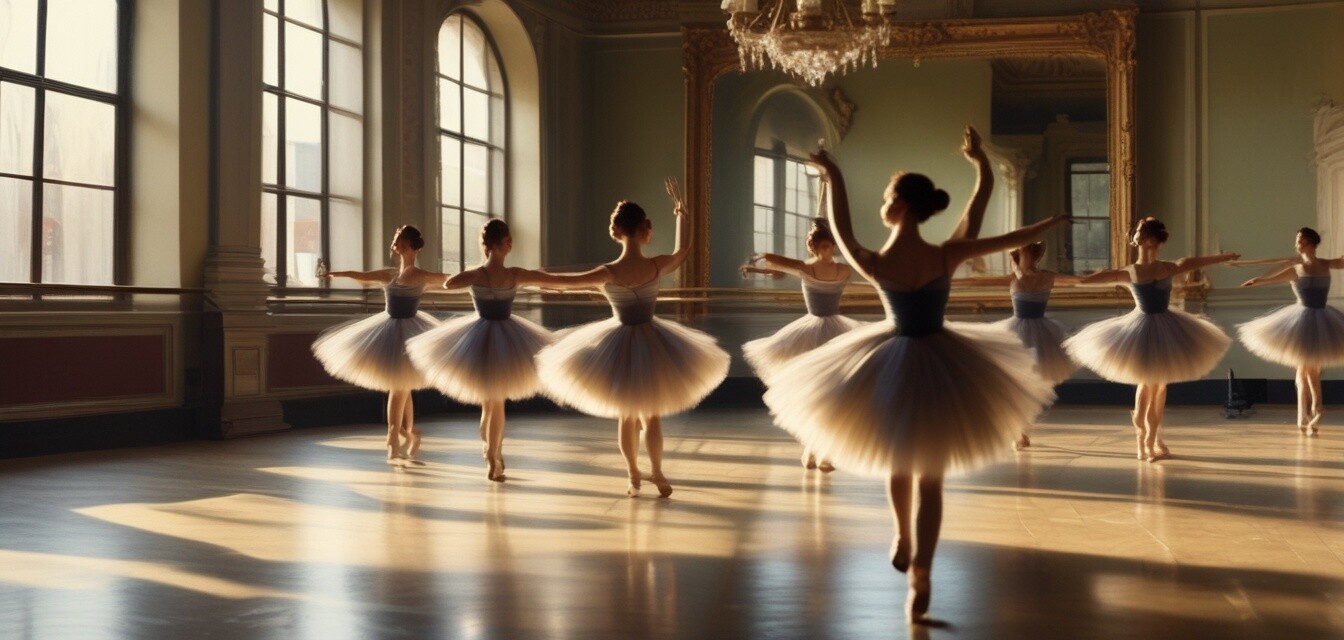
Capturing Expression: The Movement Techniques of Degas
Key Takeaways
- Edgar Degas utilized innovative techniques to express movement and emotion in his artworks.
- His focus on capturing spontaneous moments is relevant to contemporary artistic practices.
- Degas’s methods can inspire modern artists exploring themes of movement, emotion, and the human form.
Edgar Degas, a master of movement and emotion, has left an indelible mark in the art world. His unique techniques for capturing dancers in motion provide a rich source of inspiration for contemporary artists. This article delves into these techniques, exploring how Degas's approach can inform modern practices in art, particularly for those interested in the fluidity of movement.
The Essence of Movement in Degas’s Work
Degas was renowned for his ability to convey movement, particularly within the confines of his chosen subjects: ballet dancers. His fascination with the grace and fluidity of dance led to numerous masterpieces, where he deftly illustrated not just the physical form of the dancer, but also the emotions behind their movement.
Key Techniques Used by Degas
| Technique | Description |
|---|---|
| Sketching Movements | Degas often sketched dancers in various poses, emphasizing their transitions and dynamism. |
| Use of Pastels | Incorporating pastels allowed for subtle color transitions that mimicked the fluidity of motion. |
| Multiple Angles | Degas painted dancers from various perspectives, capturing the essence of their movements more effectively. |
| Blurred Lines | He employed techniques that suggested motion, often blurring lines to depict movement. |
Understanding Degas’s Influence on Modern Artists
Contemporary artists continue to draw from Degas's pioneering style, adapting his techniques to express modern themes. The exploration of movement remains a critical focal point for many artists today, as they reflect on the emotions and stories conveyed through their dynamic subjects.
The Impact of Emotion in Motion
Degas's works often depict not only technical prowess but also the emotional depth behind each movement. His attention to facial expressions and body language creates a vivid narrative. Modern artists can harness this emotional element, channeling their own interpretations of movement into their art.
Modern Adaptations of Degas’s Techniques
Artists today are blending traditional techniques with modern technologies. Here's how some of Degas's methods can be adapted:
- Experiment with Mixed Media: Combine multiple materials to capture depth in movement.
- Video as a Medium: Record and study movements to inspire painting or sculpture.
- Emphasis on Emotion: Focus on the emotional aspects of the movement in art.
Featured Artwork: The Dance Class by Edgar Degas
 Timeless Giclee Print
A&T ARTWORK The Dance Class by Edgar Degas
Experience the wonderful world of dance captured by Degas with this high-quality Giclee canvas print. Ideal for home decor, this artwork encapsulates the beauty of movement and emotion.
Learn MoreConclusion
Edgar Degas remains a profound source of inspiration for artists aiming to incorporate movement and emotion into their work. Through innovative techniques, he has taught us the significance of capturing not just the physicality of dance but the underlying feelings that shape our understanding of movement. By studying his methods, contemporary artists can further explore the depths of emotion within their own creations.
Additional Resources
For deeper insights into the techniques of famous painters, check out our dedicated resources:
- Edgar Degas: Techniques and Influences
- Caravaggio: Master of Light and Shadow
- Monet: The Beauty of Impressionism
- Raphael: Harmony and Balance in Art
- Leonardo da Vinci: The Renaissance Man
If you are inspired by Degas’s techniques and would like to explore your artistic side, remember to keep experimenting with movement and emotions in your own work!