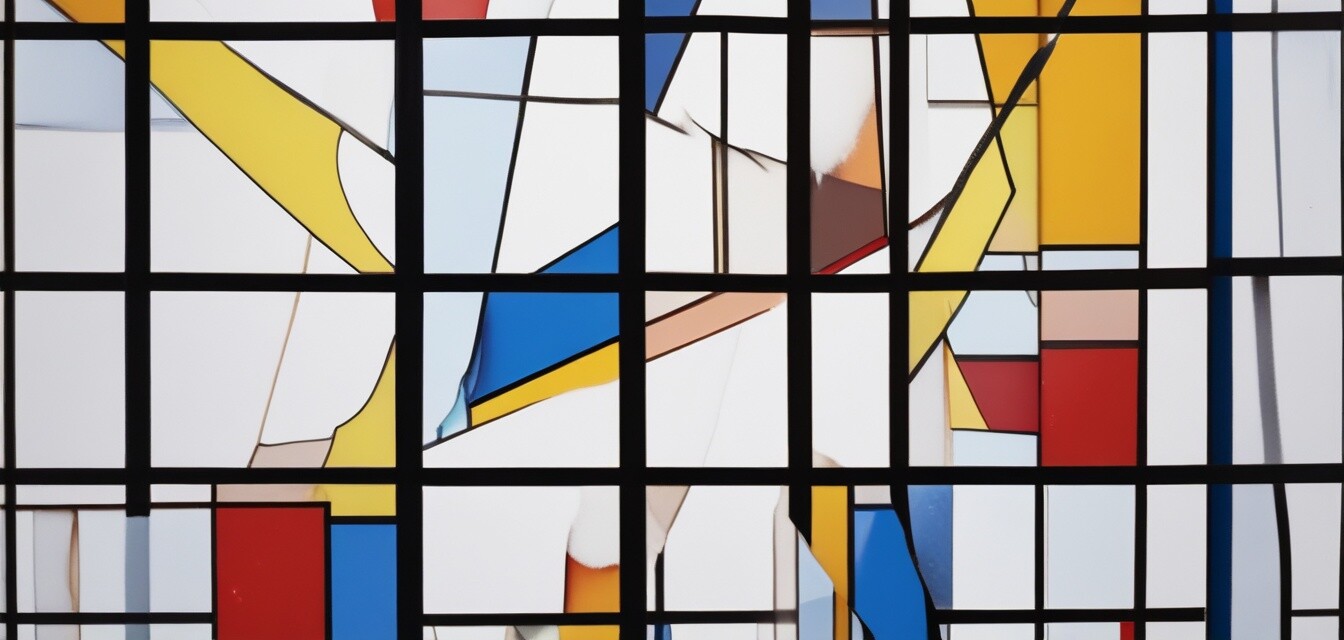
The Artistic Techniques Behind Mondrian’s Compositions
- Piet Mondrian was a pioneer in abstract art, known for his geometric compositions.
- His use of primary colors and rectangular forms created a unique visual language.
- Mondrian's work continues to influence contemporary art and design.
- Understanding his techniques can inspire new generations of artists.
Piet Mondrian, a towering figure in the realm of contemporary art, pioneered a distinctive style that made extensive use of geometry and color. Driven by his philosophy of harmony and order, Mondrian's works resonate with balanced forms and vibrant primary colors. In this article, we will delve into the artistic techniques behind Mondrian's compositions and examine how they continue to inspire contemporary artists.
Understanding Mondrian's Artistic Principles
Mondrian’s approach to art was not merely about painting but was a comprehensive philosophy that sought to represent the underlying structures of reality. His techniques can be summarized through a combination of geometric abstraction, limited color palette, and harmonious compositions.
Geometric Abstraction
At the core of Mondrian’s work is geometric abstraction, characterized by the use of simple forms such as rectangles and lines. Below is a summary of his approach:
| Technique | Description |
|---|---|
| Use of Rectangles | Mondrian predominantly used rectangles to create a structured composition, allowing for a sense of balance in his work. |
| Vertical and Horizontal Lines | He applied vertical and horizontal lines to divide the canvas into sections, emphasizing the grid format. |
| Abstraction of Nature | His forms were derived from natural objects but reduced to their simplest geometric shapes. |
Color Theory
Mondrian’s color palette comprised primary colors: red, blue, yellow, alongside black, white, and gray. This choice was deliberate, as he believed that color and form had to be in harmony. The following table outlines how he implemented color theory in his works:
| Color Used | Symbolism |
|---|---|
| Red | Action, energy, drive |
| Blue | Coolness, tranquility, and peace |
| Yellow | Hope, brightness, and light |
Influences and Inspirations
Mondrian’s work was influenced by various art movements, particularly Cubism. His exposure to Cubist principles helped him distill forms into essential components. However, he moved beyond Cubism by striving for pure abstraction, rejecting any connection to representational art.
Connection to Contemporary Art
The clarity and simplicity in Mondrian's compositions continue to inspire artists today. His techniques are evident in many modern designs and have influenced various areas, from architecture to graphic design.
Product Spotlight: Mondrian Inspired Art
 Artistic Display Choice
ARTCANVAS Composition with Red, Blue, and Yellow Canvas Art Print
This vibrant canvas print celebrates Mondrian's iconic style, bringing color and order to any space while being crafted to last.
Explore NowLegacy and Continuing Influence
Understanding Mondrian’s work today opens a dialogue about abstraction and its significance in modern art. His techniques have paved the way for future artists, encouraging experimentation with geometry and colors. Moreover, the principles of design derived from his work are actively utilized in various creative fields.
Further Resources
If you are interested in expanding your knowledge about famous artists and their techniques, check out our informative articles:
- Vincent van Gogh - Discover the techniques of this emotional master.
- Leonardo da Vinci - Explore the techniques employed by the genius of the Renaissance.
- Michelangelo - Understand the profound influences behind his sculptures and frescoes.
- Raphael - Learn about the defining elements of his unique style.
- Pablo Picasso - Dive into the complexities of Cubist principles.
Conclusion
Piet Mondrian's artistic techniques emphasize the profound connection between geometry, color, and expression. His work remains a significant influence in contemporary art, urging new artists to embrace simplicity and clarity in their creative journey. By studying Mondrian's principles, one can gain deeper insights into abstract art and its evolving nature.