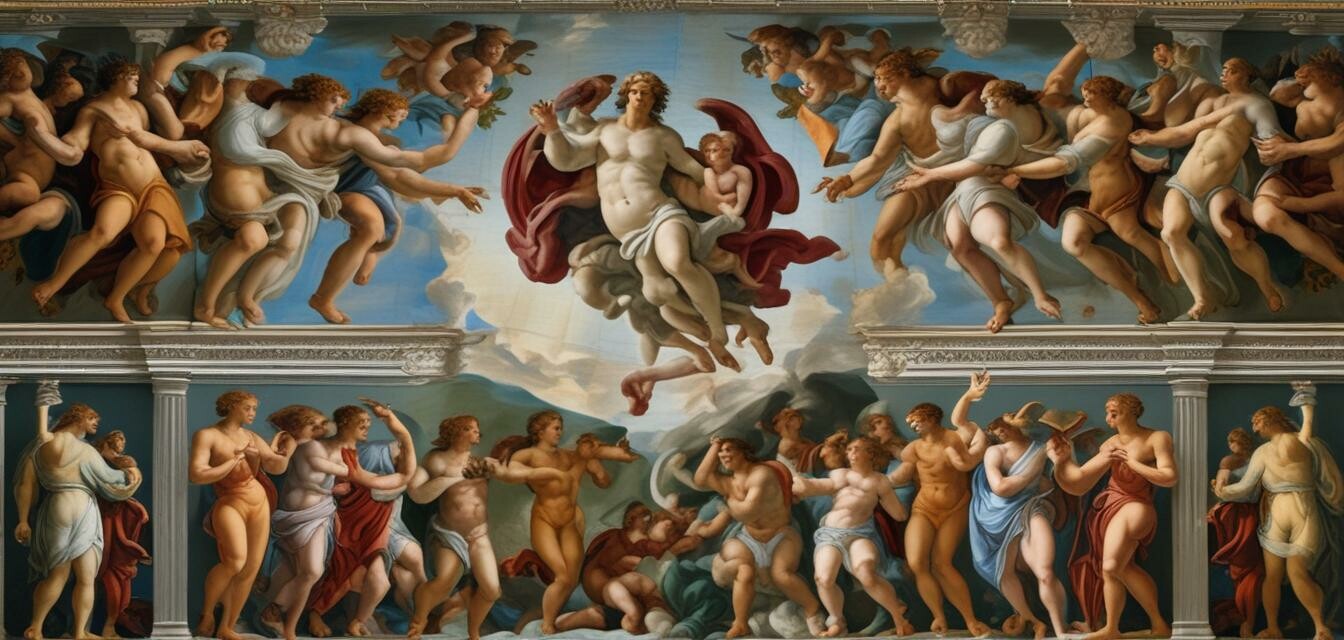
The Artistic Genius of Michelangelo
Key Takeaways
- Michelangelo is renowned for his masterpieces including the Sistine Chapel ceiling and the statue of David.
- His techniques in sculpture and painting combine anatomical precision with emotional depth.
- The Renaissance period was a significant influence on his works and artistic philosophy.
- Studying Michelangelo’s art can provide insights into the evolution of Western art.
- Michelangelo's impact continues to resonate in modern artistic education.
Michelangelo Buonarroti, born on March 6, 1475, is one of the most celebrated figures in the history of Western art. A master sculptor, painter, and architect, his work has had a profound influence on generations of artists. In this article, we will explore the extraordinary techniques and contributions of Michelangelo, focusing on his masterpieces and their relevance in modern artistic education.
Understanding Michelangelo's Techniques
Michelangelo's artistic prowess is a product of rigorous training and an innate ability to capture the human form with breathtaking accuracy. His techniques can be categorized primarily into two areas: sculpture and painting. Below is a summary of his techniques:
| Technique | Description |
|---|---|
| Sculpting | Michelangelo believed in revealing the form contained within the stone. He often left parts of the stone unpolished, emphasizing the natural beauty of the material. |
| Fresco Painting | His frescoes, such as those on the Sistine Chapel ceiling, demonstrate mastery in the use of color and perspective, creating an illusion of depth and dimensionality. |
| Chiaroscuro | Michelangelo utilized chiaroscuro, the technique of using strong contrasts between light and dark, to create volume and enhance the emotional effect of his works. |
Michelangelo's Masterpieces
Among Michelangelo's renowned works, several pieces stand out. Below are a few of his masterpieces that continue to inspire artists today:
 Stunning Wall Art
Creation of Adam by Michelangelo
A masterpiece that showcases Michelangelo's exceptional talent in capturing the divine connection between God and man.
Learn More- The Statue of David: A symbol of Renaissance art, showcasing the ideal male form.
- The Sistine Chapel Ceiling: An iconic fresco that illustrates biblical scenes with dramatic flair.
- Pietà: A sculpture that captures the Virgin Mary holding the lifeless body of Christ, conveying deep emotion.
The Influence of Michelangelo on Modern Art Education
Michelangelo's techniques and theories about art are a significant component of art education programs worldwide. His emphasis on form, anatomy, and emotion continues to inform teaching practices. Here are some ways Michelangelo's work is incorporated into modern art education:
Tips for Studying Michelangelo's Work
- Analyze the anatomy in his sculptures to understand his techniques.
- Visit museums that house his work to gain insight into his style and technique.
- Practice chiaroscuro in painting to capture depth and form as he did.
- Study the narratives in his frescoes to understand how storytelling can be conveyed through visual art.
Conclusion: The Lasting Legacy of Michelangelo
Michelangelo’s legacy is not only in the works he produced but also in the way he challenged and expanded the boundaries of art. From sculpture to painting, his techniques and philosophies continue to influence modern artists and art education alike. By studying his work, aspiring artists gain valuable insights into the art of expression and the importance of mastering technique.
Further Reading and Exploration
To expand your knowledge about Michelangelo and his contemporaries, consider exploring these resources: