Analyzing Caravaggio's Use of Light and Shadow
Key Takeaways
- Caravaggio is renowned for his revolutionary use of chiaroscuro, the contrast of light and shadow.
- His technique created intense emotional experiences and a sense of realism.
- Understanding Caravaggio's method can enhance modern painting techniques.
- Light direction and intensity can drastically affect the mood of a painting.
- Incorporating chiaroscuro can help aspiring artists create depth and dimension in their artwork.
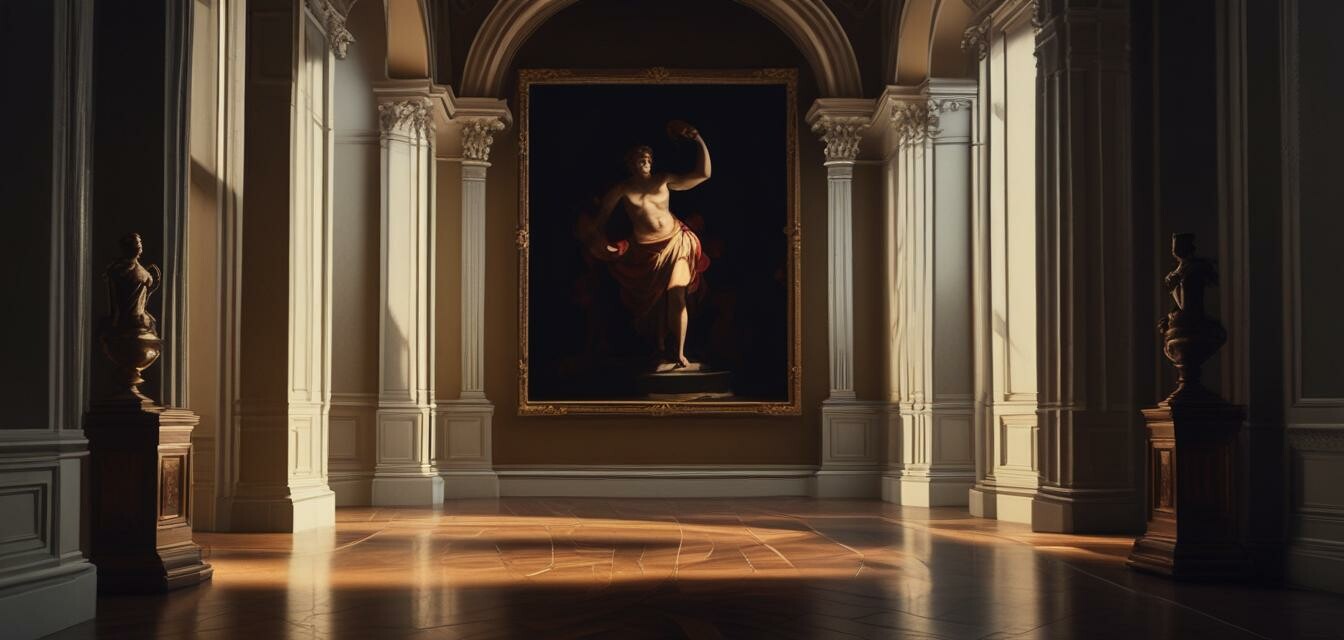
Caravaggio, one of the most influential figures in Western art, is best known for his dramatic use of light and shadow. His unparalleled ability to manipulate chiaroscuro (the treatment of light and shade) has transformed not only his paintings but also the trajectory of art itself. This article explores Caravaggio's techniques and insights that aspiring artists can apply in their own work.
Understanding Chiaroscuro
Chiaroscuro involves the interplay between light and dark to create a sense of volume and three-dimensionality. Caravaggio’s innovative approach brought a new level of realism to painting, capturing the viewer's attention.
Key Techniques of Caravaggio
- Strong Directional Light: Caravaggio often used a single light source to produce sharp contrasts. This technique creates focal points in his subjects.
- Layered Shadows: By using multiple layers of shadow, he added depth and dimension, making figures more lifelike.
- Realism in Subject Matter: His subjects, often depicting biblical scenes, appeared raw and emotional, providing a stark contrast to the serene beauty of earlier Renaissance art.
How Light Affects Mood
The direction and intensity of light can dramatically affect the emotional tone of a painting. For instance, bright light can evoke feelings of joy or hope, whereas dark shadows can convey melancholy or suspense. Caravaggio expertly utilized this concept to enhance the narrative within his works.
Examples from Caravaggio’s Masterpieces
| Artwork | Description of Light Use |
|---|---|
| The Calling of Saint Matthew | Caravaggio masterfully illuminates the focal point (Matthew) while surrounding shadows amplify the drama. |
| Judith Beheading Holofernes | A single light source highlights Judith, creating a stark dramatic moment that intensifies the narrative tension. |
| The Supper at Emmaus | Soft, diffused light creates a sense of warmth and intimacy among the figures. |
Incorporating Caravaggio's Style in Your Art
Artists looking to enhance their work can apply Caravaggio’s techniques to bring depth and drama. Here are some steps to get started:
Tips for Aspiring Artists
- Observe Lighting Conditions: Experiment with various light sources to see how they affect your subjects.
- Create a Focal Point: Use light to guide the viewer’s eye to the most important part of your painting.
- Use Shadows Creatively: Don’t shy away from deep shadows; they can add intrigue and complexity to your art.
- Practice Portraits: Try painting portraits or still lifes under various lighting conditions to discover how to model form.
Featured Artwork: The Calling of Saint Matthew
 Artistic Masterpiece
ARTCANVAS The Calling of Saint Matthew 1600 Canvas Art Print
Experience the grandeur of Caravaggio's work with this beautifully crafted canvas art print that captures the essence of his dramatic light and shadow play.
Learn MoreConclusion
Caravaggio’s innovative approach to light and shadow not only defined his works but also reshaped the landscape of art history. By mastering these techniques, modern artists can infuse their creations with a sense of depth and emotional power. Embrace light and shadow in your art, and let inspiration flourish!
Resources for Further Learning
- Learn more about Caravaggio's biography
- Discover Michelangelo's impact on light and shadow
- Explore Leonardo Da Vinci's techniques related to chiaroscuro
- Understand how Vermeer applied light in his compositions
- Analyze Rembrandt's unique use of light in portraits
Hope you enjoyed exploring Caravaggio's techniques! For more insights on artistic practices, check out our Art Education section.